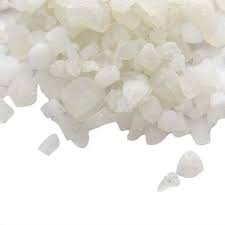
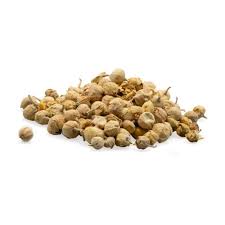

Paneer Phool, commonly known as cauliflower, is a versatile vegetable widely used in Indian cuisine and Ayurvedic remedies. While most people enjoy it in curries, stir-fries, and snacks, Paneer Phool is more than just a delicious ingredient. It is packed with nutrients, antioxidants, and health-promoting compounds that benefit the body in various ways. From supporting digestion to enhancing immunity, Paneer Phool has a lot to offer. In this article, we will explore 20 fascinating facts about Paneer Phool that you may not know, highlighting its nutritional value, health benefits, and versatile uses.
Long Description:
- Rich in Nutrients: Paneer Phool is a great source of vitamins C, K, and B-complex, along with minerals like potassium, calcium, and magnesium.
- Low in Calories: This vegetable is low in calories, making it an ideal choice for weight management.
- High in Fiber: The fiber content helps in improving digestion and maintaining a healthy gut.
- Antioxidant Properties: Contains antioxidants that help protect cells from damage caused by free radicals.
- Supports Heart Health: Regular consumption of Paneer Phool can aid in reducing cholesterol levels and promoting heart health.
- Anti-inflammatory Benefits: The bioactive compounds in Paneer Phool help in reducing inflammation in the body.
- Boosts Immunity: Vitamin C and other phytonutrients strengthen the immune system.
- Supports Bone Health: Rich in vitamin K and calcium, it helps maintain strong and healthy bones.
- Aids Detoxification: Paneer Phool contains compounds that support liver function and detoxify the body naturally.
- Good for Skin: Antioxidants and vitamins in Paneer Phool contribute to healthier, glowing skin.
- Regulates Blood Sugar: The fiber content and low glycemic index make it beneficial for controlling blood sugar levels.
- Enhances Eye Health: Contains vitamin A and carotenoids that are essential for good vision.
- Supports Weight Loss: High fiber and low-calorie content make it a filling food that aids in weight management.
- Versatile in Cooking: Paneer Phool can be eaten raw, steamed, roasted, or cooked in various dishes, making it highly adaptable in meals.
- Boosts Brain Function: Contains nutrients that support cognitive health and improve memory.
- Anti-cancer Properties: Certain compounds in Paneer Phool may help in reducing the risk of specific cancers.
- Promotes Hair Health: Vitamins and antioxidants contribute to stronger, healthier hair.
- Easy to Grow: Paneer Phool is widely cultivated and can be grown in home gardens with proper care.
- Affordable and Accessible: It is a budget-friendly vegetable available year-round in most regions.
- Culinary Creativity: Paneer Phool is not just for traditional dishes; it can be incorporated into salads, soups, snacks, and even innovative fusion recipes.
Additional Tips for Using Paneer Phool:
- Light steaming preserves most nutrients while making it easy to digest.
- Combine with healthy oils like olive or coconut for better absorption of fat-soluble vitamins.
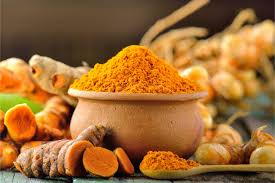
- Pairing with spices like turmeric, garlic, and ginger enhances both taste and health benefits.
- Use in moderation for those with thyroid issues, as raw cauliflower contains goitrogens that may affect thyroid function.
Conclusion:
Paneer Phool is more than just a staple vegetable; it is a nutritional powerhouse that offers numerous health benefits. From supporting digestion and immunity to improving skin, hair, and brain function, its versatility and nutrient profile make it an essential part of a balanced diet. By understanding these 20 fascinating facts, you can appreciate the value of Paneer Phool beyond its culinary uses and incorporate it into your daily meals for a healthier lifestyle.