Gut health and digestion are at the core of overall well-being, and Ayurveda offers a holistic approach to restoring balance and promoting optimal digestion. At Dirghaanshi, we explore the Ayurvedic methods for improving gut health, preventing digestive issues, and fostering a healthy, thriving digestive system. Ayurveda’s emphasis on balance, personalized diet, and natural remedies can transform your digestive health and enhance vitality.
1. Understanding the Importance of Gut Health
The gut is often referred to as the “second brain” because it plays a crucial role in both physical and mental health. Ayurveda believes that the digestive system, or Agni (digestive fire), is the key to good health. When Agni is strong, digestion is efficient, nutrients are absorbed effectively, and toxins (Ama) are eliminated from the body. Poor digestion leads to imbalances, which can manifest as bloating, indigestion, constipation, or even chronic conditions like IBS and acid reflux.
How Ayurveda Improves Gut Health:
- Ayurveda focuses on restoring balance to the body’s digestive system through natural remedies, diet, and lifestyle modifications.
- The health of the gut is directly linked to the doshas (Vata, Pitta, and Kapha), and each dosha has specific dietary and lifestyle recommendations for optimal digestion.
- Ayurvedic practices emphasize digestive fire (Agni) and work to strengthen it to ensure better digestion and absorption of nutrients.
2. Ayurvedic Herbs for Digestive Health
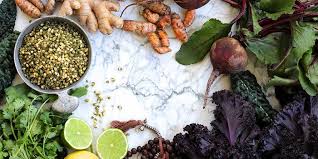
Ayurveda uses a range of natural herbs to support digestion, improve gut health, and promote the efficient elimination of toxins. These herbs are specifically tailored to balance each dosha and address digestive imbalances.
Top Ayurvedic Herbs for Gut Health and Digestion:
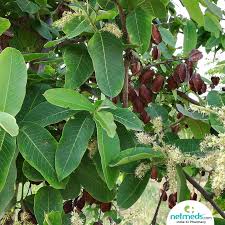
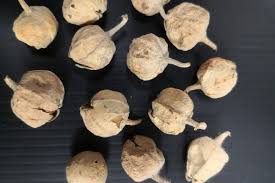
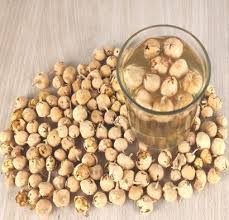
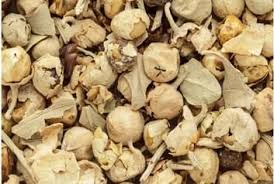
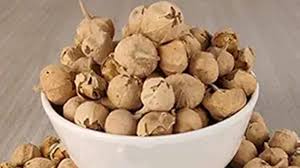
- Triphala: A powerful combination of three fruits — Amalaki, Bibhitaki, and Haritaki — Triphala is known for its detoxifying and digestive-supporting properties. It helps regulate bowel movements, reduces constipation, and cleanses the intestines.
- Ginger: A common remedy for indigestion, ginger helps stimulate the digestive fire (Agni), reduces bloating, and alleviates nausea. It also has anti-inflammatory properties that support overall gut health.
- Cumin (Jeera): Cumin has been used in Ayurveda for centuries to improve digestion. It stimulates the production of digestive enzymes, reduces bloating, and aids in the absorption of nutrients.
- Fennel (Saunf): Fennel is a popular remedy for digestive discomfort and gas. It helps to calm the digestive system and promote smooth bowel movements, making it ideal for those suffering from bloating and indigestion.
- Peppermint: Known for its soothing effects, peppermint helps relieve gas, bloating, and indigestion. It also stimulates the bile, which aids in fat digestion and improves the overall efficiency of the digestive system.
How to Use These Herbs:
- Triphala can be taken as a supplement or mixed into warm water as a mild detoxifier before bed.
- Ginger tea made by boiling fresh ginger slices in water can stimulate digestion and soothe discomfort.
- Cumin and fennel can be added to meals or taken in the form of tea to enhance digestion and relieve bloating.
- Peppermint tea can be consumed after meals to calm the stomach and improve digestion.
3. Ayurvedic Diet for Healthy Digestion
Ayurveda emphasizes a balanced diet for improving digestion, tailored to each person’s dosha type. Foods that are light, easy to digest, and nourish the Agni are prioritized. Avoiding heavy, processed foods and following mindful eating practices can significantly improve gut health.
Foods for Healthy Digestion:
- Warm, Cooked Foods: Warm soups, stews, and cooked vegetables are easier to digest and nourish the digestive fire.
- Spices: Spices like turmeric, black pepper, and cumin help stimulate Agni and enhance digestion.
- Whole Grains: Rice, quinoa, and oats provide fiber and are gentle on the stomach while promoting regular bowel movements.
- Fermented Foods: Yogurt, kefir, and sauerkraut provide beneficial probiotics that improve gut flora and support digestion.
- Hydration: Drinking warm water throughout the day helps keep digestion smooth and supports the elimination of toxins.
Dosha-Specific Dietary Tips:
- Vata Dosha: People with a Vata imbalance should focus on warm, grounding, and moist foods like soups, stews, and cooked vegetables to aid digestion.
- Pitta Dosha: Cooling, non-spicy foods like cucumbers, leafy greens, and dairy help balance Pitta and prevent overheating in the digestive system.
- Kapha Dosha: Lighter, spiced foods like lentils, beans, and bitter greens are recommended for Kapha individuals to support digestion and eliminate excess mucus.
4. Lifestyle Practices for Better Digestion
In Ayurveda, mindful eating and conscious lifestyle choices are essential for maintaining a healthy digestive system. Simple practices can significantly enhance digestion and gut health.
Key Ayurvedic Practices for Digestive Health:
- Eat Regular Meals: Ayurveda recommends eating three main meals at regular intervals with a focus on digesting each meal properly. Avoid heavy snacking or overeating.
- Avoid Cold Beverages: Cold drinks can dampen the digestive fire. It’s best to consume warm beverages like herbal teas or warm water throughout the day.
- Eat in a Calm Environment: Avoid distractions like TV or smartphones while eating. This helps the body focus on digestion and improves nutrient absorption.
- Self-Massage (Abhyanga): Regular self-massage with warm oil helps stimulate digestion and improve blood circulation.
- Yoga and Pranayama: Certain yoga poses like Pawanmuktasana and Paschimottanasana can aid in digestion, reduce bloating, and stimulate the intestines.
5. Ayurvedic Detox for Gut Health
Regular detoxification is an integral part of Ayurveda, as it helps eliminate Ama (toxins) that may accumulate in the body and disrupt digestion. A seasonal detox can help improve the efficiency of the digestive system and enhance overall health.
Ayurvedic Detox Techniques for Gut Health:
- Panchakarma: This Ayurvedic detox process involves cleansing treatments such as Virechana (purgation) and Basti (enema) to remove toxins and restore balance to the digestive system.
- Fasting: Short-term fasting or eating light meals helps reset the digestive system, allowing the body to rest and detoxify.
- Herbal Detox Teas: A blend of cumin, coriander, and fennel seeds in warm water can stimulate digestion, support detoxification, and relieve bloating.
6. Ayurvedic Approach to Common Digestive Disorders
Ayurveda offers effective remedies for common digestive issues like acid reflux, IBS, constipation, and gastritis. By addressing the root causes and balancing the doshas, Ayurveda helps restore digestive harmony.
Common Ayurvedic Remedies:
- Acid Reflux: Amla (Indian gooseberry) and Licorice root are effective in soothing the stomach lining and reducing acid.
- Constipation: Herbs like Haritaki and Senna are commonly used in Ayurveda to promote regular bowel movements and improve digestion.
- IBS and Bloating: Ashwagandha and Ginger help reduce inflammation, stress, and digestive discomfort.