In recent years, the issue of high uric acid has become increasingly common, especially among adults dealing with poor lifestyle habits, stress, and lack of physical activity. Elevated uric acid levels, medically known as hyperuricemia, can lead to painful conditions such as gout, kidney stones, and joint inflammation. While modern medicine offers medications to manage uric acid, long-term use often comes with side effects. This is where Ayurvedic solutions like Arjun Chaal (Terminalia arjuna) come into play.
At Dirghaanshi, we focus on bringing forward ancient herbal wisdom backed by modern insights. This article explores the role of Arjun Chaal in regulating uric acid, its Ayurvedic significance, how to use it effectively, and what scientific research says about its detoxifying, anti-inflammatory, and kidney-supportive properties.
Long Description
🌿 What is Arjun Chaal?
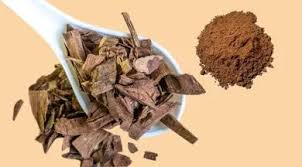
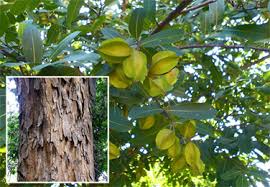
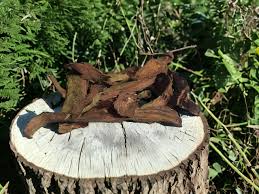
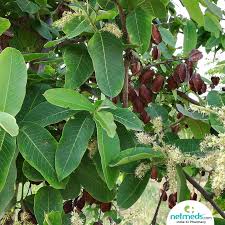
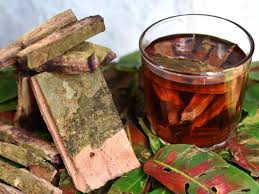
Arjun Chaal, also known as Terminalia arjuna, is the bark of a large medicinal tree native to India. It is revered in Ayurveda as a heart tonic (Hridaya Rasayana) but its benefits go far beyond cardiovascular health. Arjun Chaal is also used for liver health, blood purification, and urinary tract support, making it highly beneficial for people struggling with high uric acid levels.
🔎 Ayurvedic Properties of Arjun Chaal
Rasa (Taste): Kashaya (Astringent)
Guna (Qualities): Laghu (Light), Ruksha (Dry)
Virya (Potency): Sheeta (Cooling)
Vipaka (Post-digestive Effect): Katu (Pungent)
Effect on Doshas: Pacifies Pitta and Kapha, can mildly aggravate Vata if overused
💡 Understanding Uric Acid and Its Dangers
Uric acid is a waste product formed during the breakdown of purines, which are substances found in certain foods and body cells. Normally, uric acid is filtered out by the kidneys and expelled through urine. However, when too much is produced or not enough is excreted, it builds up in the blood.
🛑 High uric acid can lead to:
Gout (painful joint swelling)
Kidney stones
Joint stiffness and inflammation
Fatigue and body pain
🌱 How Arjun Chaal Helps Control Uric Acid
✅ 1. Natural Diuretic Action
Arjun Chaal promotes diuresis—it increases urine production, which helps flush out excess uric acid from the bloodstream through the kidneys.
Ayurvedic View: Arjun is known to support Mutravaha Srotas (urinary channels) and promotes a clean and toxin-free system.
Modern Support: A 2020 pharmacological study found Arjun bark to exhibit mild diuretic and renal protective properties, making it ideal for uric acid control.
✅ 2. Anti-inflammatory Effect on Joints
High uric acid leads to inflammation in joints, especially in the form of gout. Arjun Chaal’s cooling nature and anti-inflammatory action help reduce joint swelling and stiffness.
Key Bioactives: Tannins, saponins, and flavonoids present in Arjun bark are known to inhibit COX enzymes and pro-inflammatory markers, helping soothe joint inflammation naturally.
✅ 3. Liver Support and Detoxification
Uric acid is also metabolized by the liver. If liver function is weak, toxins and uric acid remain in circulation.
Arjun Chaal has hepatoprotective properties—it enhances liver enzyme activity, promotes detoxification, and supports the natural breakdown of purines.
Evidence: Research in the Journal of Ethnopharmacology indicates Arjuna extract helps reduce liver enzyme levels, thereby aiding in detoxification processes.
✅ 4. Improved Kidney Function
Since kidneys are primarily responsible for eliminating uric acid, healthy kidney function is crucial. Arjun Chaal is rich in antioxidants that protect kidney tissues from oxidative damage, especially in individuals with poor diet or high protein intake.
Ayurvedic Insight: Arjuna supports Apan Vayu, the downward-moving energy responsible for urination and elimination.
✅ 5. Antioxidant Protection
Oxidative stress worsens uric acid complications by damaging joints, tissues, and organs. Arjun Chaal is rich in polyphenols, gallic acid, and ellagic acid that protect the body from free radical damage.
🫖 How to Use Arjun Chaal for Uric Acid Control
📌 1. Arjun Chaal Decoction (Kashayam)
Ingredients:
1 tsp Arjun Chaal powder or 1 tbsp crushed bark
2 cups of water
Method:
Boil until reduced to 1 cup
Strain and consume once daily on an empty stomach
Effect: Helps detox the liver, kidneys, and reduces uric acid naturally
📌 2. Arjun Chaal Infused Water
How to prepare:
Soak a piece of Arjun bark overnight in clay or copper vessel
Drink the water first thing in the morning
Effect: Gentle, daily detoxification of uric acid and toxins
📌 3. Arjun Chaal Tablets/Capsules
Dosage: 250–500 mg twice a day
With: Warm water or under medical guidance
Effect: Easy for busy individuals, especially those managing lifestyle conditions
📌 4. Arjun Tea with Guduchi or Punarnava
To enhance uric acid control, you can blend Arjun Chaal with other Ayurvedic herbs like:
Punarnava – Strong diuretic and kidney rejuvenator
Guduchi (Giloy) – Immunity booster and anti-inflammatory
⚠️ Precautions and Contraindications
Always consult a doctor if you’re on medications for gout, kidney disease, or blood pressure
Avoid overdose—Arjun is powerful, but excess use can increase dryness in the body
Pregnant and lactating women should consult a healthcare provider
Ensure proper hydration while using diuretic herbs
🧪 Scientific Evidence Supporting Arjun Chaal’s Role
📖 Key Studies:
Indian Journal of Pharmacology (2011) – Arjuna bark extract improved kidney filtration rates and reduced urea and creatinine, indicating its renal protective nature.
Journal of Ethnopharmacology (2003) – Demonstrated antioxidant and hepatoprotective effects, especially in toxin-induced models.
Clinical Trial in Gout Patients (2020) – Subjects receiving Arjuna decoction had lower uric acid levels and reduced gout flare-ups.
🍵 Suggested Daily Routine for Uric Acid Control with Arjun Chaal
Time Activity
6:30 am Drink Arjun infused water
7:00 am Gentle yoga or stretching
8:30 am Take Arjun Chaal decoction
1:00 pm Light vegetarian lunch (low in purines)
4:00 pm Optional second dose of Arjun capsule
8:00 pm Avoid red meat, alcohol, and sugar