

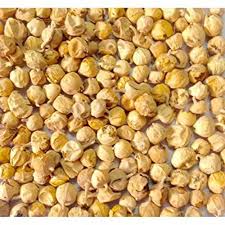

Paneer Phool, commonly known as cauliflower, is a cruciferous vegetable celebrated for its nutritional value, versatility in cooking, and therapeutic benefits. Beyond its culinary appeal, Paneer Phool has an interesting botanical background and a rich historical presence in traditional medicine and agriculture. Understanding its botanical characteristics and plant history provides insights into its cultivation, health benefits, and role in different cultures. This article explores the botanical description of Paneer Phool, traces its historical origins, and highlights its importance in agriculture and wellness.
Long Description:
- Botanical Classification of Paneer Phool:
- Scientific Name: Brassica oleracea var. botrytis
- Family: Brassicaceae (Cruciferae)
- Genus: Brassica
- Species: oleracea
- Common Names: Cauliflower, Paneer Phool, Gobi
- Plant Type: Annual, herbaceous vegetable
- Growth Habit: Erect stem, compact inflorescence, basal leaves surrounding the edible head
- Physical Description:
- Paneer Phool is a herbaceous plant with a short, thick stem.
- Large, broad, lobed leaves grow from the base, encasing the central white curd or “head” (edible inflorescence).
- The curd is composed of densely packed immature flower buds, giving it a firm, granular texture.
- Leaves are bluish-green, and the head is usually white, although varieties exist in purple, green, and orange hues.
- Roots are fibrous and shallow, requiring well-drained soil for healthy growth.
- Plant Growth and Cultivation:
- Prefers cool-season climates with temperatures between 15°C to 20°C.
- Requires fertile, well-drained soil rich in organic matter.
- Propagated mainly through seeds, with careful spacing to allow head formation.
- Regular watering and fertilization ensure compact, dense curds.
- Pest management includes protection against aphids, caterpillars, and fungal diseases.
- Historical Origins of Paneer Phool:
- Believed to have originated in the Mediterranean region, particularly Cyprus, around the 6th century BC.
- Spread to India during medieval trade routes, becoming an integral part of Indian cuisine.
- In traditional Indian agriculture, it has been cultivated in diverse climatic regions due to its adaptability.
- Historically valued not only as food but also for its therapeutic properties in Ayurvedic medicine.
- Cultural and Medicinal Significance:
- Paneer Phool has been used in Ayurveda and traditional medicine systems for digestion, detoxification, and overall nourishment.
- Symbolizes fertility and abundance in some cultural practices due to its prolific growth and nutrient density.
- Frequently included in vegetarian and health-conscious diets because of its versatility and low-calorie content.
- Nutritional Profile:
- Rich in vitamin C, K, and B-complex vitamins.
- Contains essential minerals such as potassium, calcium, and magnesium.
- High in dietary fiber, antioxidants, and phytonutrients that support immune health, cardiovascular function, and digestive wellness.
- Agricultural Importance:
- Paneer Phool is a commercially important vegetable crop worldwide.
- Contributes to food security due to its high yield and adaptability to various soils and climates.
- Breeding programs focus on disease resistance, curd quality, and improved nutrient content.
- Conclusion:
Paneer Phool is more than a staple vegetable; it is a historically significant plant with rich botanical characteristics and cultural importance. Understanding its botanical description helps appreciate its growth requirements, while exploring its plant history provides context for its widespread cultivation and nutritional significance. From traditional medicine to modern diets, Paneer Phool continues to be valued for its health benefits, culinary versatility, and role in sustainable agriculture. By incorporating Paneer Phool into daily meals, we not only enjoy its taste but also embrace a vegetable with a remarkable botanical and historical legacy.
Related Posts
Customer Reviews: Top-Rated Banslochan Brands in India
Banslochan, also known as bamboo silica or tabasheer, is one of the most valued natural remedies in Ayurveda. With its cooling, strengt...
How to Store Banslochan for Maximum Freshness
Banslochan, also known as Tabasheer or bamboo silica, is a treasured natural remedy widely used in Ayurveda for its cooling, strengthen...
Why Herbalists Prefer Banslochan Over Western Medicine
Banslochan, also known as Tabasheer or Bamboo Silica, has been one of the most valued natural ingredients in traditional healing for ce...
Banslochan in Homeopathy vs. Ayurveda: What’s the Difference?
Banslochan, also known as Tabasheer or Bamboo Silica, has been used for centuries as a natural healing substance in various traditional...
Choosing Organic vs. Regular Banslochan: What Matters Most
Banslochan, also known as Tabasheer or Bamboo Silica, is one of the most valued natural ingredients used in Ayurveda for improving bone...
Choosing Organic vs. Regular Banslochan: What Matters Most
Banslochan, also known as Bamboo Silica or Tabasheer, is a traditional Ayurvedic ingredient widely used for strengthening bones, improv...
Using Kaali Haldi to Manage Seasonal Allergies
Kaali Haldi (Black Turmeric) is a powerful Ayurvedic herb with natural anti-inflammatory, antioxidant, and immune-boosting properties. ...
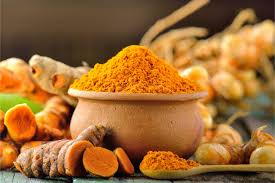
Kaali Haldi and Turmeric Latte: Healthy Recipe Variations
Kaali Haldi (Black Turmeric) and regular turmeric are two powerful Ayurvedic herbs known for their health-boosting properties. Combinin...
Latest Research on Paneer Phool for Sugar Regulation
Managing blood sugar levels is a critical health concern for many individuals worldwide. Recent research highlights the potential of Pa...
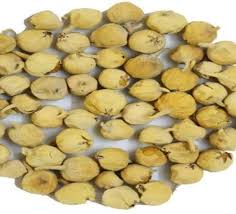
Ayurvedic Practitioner Recommends Paneer Dodi for Liver Detox
The liver plays a vital role in detoxification, metabolism, and overall health. Modern lifestyles, processed foods, and environmental t...
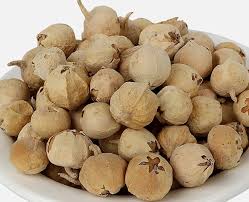
Herbal Success Story: 90 Days with Paneer Phool
Paneer Phool has become a trusted herbal remedy in wellness routines, hair care, and skincare. This article shares the 90-day journey o...
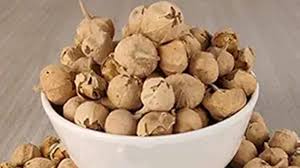
Customer Reviews: Real Results Using Paneer Dodi
Paneer Dodi has become one of the most talked-about herbal products in the wellness and skincare industry. Customers are sharing positi...
