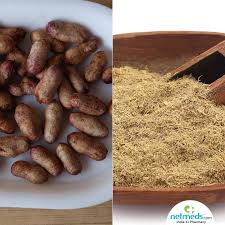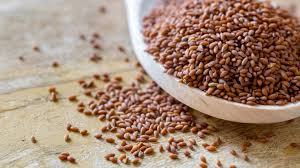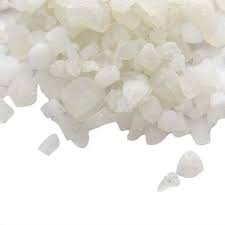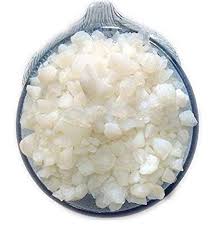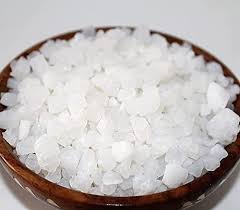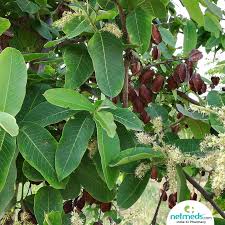

In Ayurveda, Ritucharya (seasonal routine) is an ancient practice that teaches us how to align our lifestyle, diet, and wellness rituals with the cycles of nature. This balance with seasons helps maintain health, immunity, and inner harmony. One of the powerful Ayurvedic herbs often recommended in daily and seasonal care is Paneer Phool (also known as Paneer Dodi or Withania Coagulans).
Paneer Phool is widely valued for its detoxifying, blood-purifying, and metabolism-enhancing properties. When combined with Ritucharya, it becomes a natural support system to prevent seasonal imbalances, boost immunity, and keep the body strong. This article explores how Paneer Phool can be used in each season according to Ayurveda for overall wellness.
Long Description (1000+ words)
1. Understanding Paneer Phool 🌿
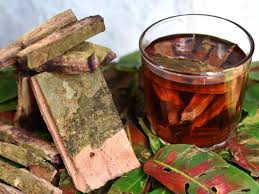
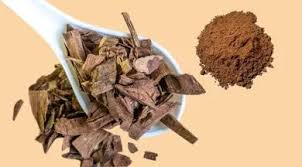
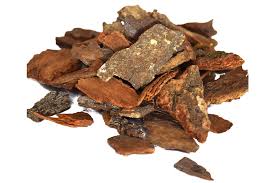
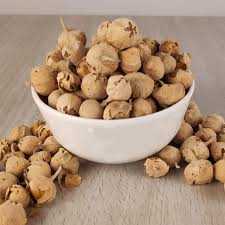
Paneer Phool, known as Indian Rennet, is a dried flower used in traditional medicine. It is soaked overnight in water, and the extract is consumed in the morning. Its key benefits include:
- Regulating blood sugar levels.
- Detoxifying the liver and blood.
- Supporting digestive health.
- Strengthening immunity.
- Helping in weight management.
Because Paneer Phool naturally aligns with the body’s detox and repair mechanisms, it can be included in Ritucharya for preventive health care.
2. The Concept of Ritucharya in Ayurveda 🌞❄️🍂🌸
Ayurveda divides the year into six seasons (Ritus), each with unique characteristics and effects on the body. To maintain balance, Ayurveda suggests specific diets and routines for each season.
The six Ritucharya cycles are:
- Shishir (Late Winter) – January to February
- Vasanta (Spring) – March to April
- Grishma (Summer) – May to June
- Varsha (Monsoon) – July to August
- Sharad (Autumn) – September to October
- Hemant (Early Winter) – November to December
3. How to Use Paneer Phool with Ritucharya 🌿+🌸
a) Shishir Ritu (Late Winter)
- Body tends to store more energy, digestion is stronger.
- Paneer Phool Benefit: Helps prevent excessive fat accumulation and keeps blood sugar in balance.
- Routine Tip: Consume Paneer Phool water in the morning along with warm, nourishing foods.
b) Vasanta Ritu (Spring)
- Kapha dosha (phlegm) increases, leading to allergies, sluggishness, and weight gain.
- Paneer Phool Benefit: Acts as a detoxifier and reduces Kapha buildup.
- Routine Tip: Morning intake of Paneer Phool water along with light yoga and breathing exercises helps detox.
c) Grishma Ritu (Summer)
- Pitta dosha increases due to heat, leading to dehydration, acidity, and fatigue.
- Paneer Phool Benefit: Cools the system, supports hydration, and prevents digestive issues.
- Routine Tip: Drink Paneer Phool water with cooling foods like cucumber and coconut water.
d) Varsha Ritu (Monsoon)
- Agni (digestive fire) weakens, leading to indigestion and low immunity.
- Paneer Phool Benefit: Improves digestion, boosts immunity, and removes toxins.
- Routine Tip: Paneer Phool with light soups and herbal teas helps maintain gut health.
e) Sharad Ritu (Autumn)
- Pitta dominance may cause skin issues, acidity, and inflammation.
- Paneer Phool Benefit: Cleanses blood, reduces inflammation, and purifies skin.
- Routine Tip: Paneer Phool water in the morning with seasonal fruits balances Pitta.
f) Hemant Ritu (Early Winter)
- Digestion improves, appetite increases, and immunity strengthens.
- Paneer Phool Benefit: Maintains balanced blood sugar and prevents overeating effects.
- Routine Tip: Use Paneer Phool to maintain energy balance while enjoying nourishing winter foods.
4. Benefits of Aligning Paneer Phool with Ritucharya 🌿✨
- Supports natural detox in each season.
- Prevents common seasonal diseases like colds, flu, acidity, and skin problems.
- Enhances immunity and metabolism.
- Balances doshas according to seasonal variations.
- Promotes long-term health and energy.
5. Practical Tips for Daily Use 🕰️
- Always soak Paneer Phool overnight and drink in the morning.
- Pair with seasonal foods recommended in Ayurveda.
- Maintain discipline in sleep, diet, and exercise along with Paneer Phool intake.
- Avoid overconsumption — moderation is key.
6. Precautions ⚠️
- Pregnant and breastfeeding women should avoid without consultation.
- People with medical conditions (especially diabetes and hypertension) should consult a doctor.
- Paneer Phool should not replace medicines but can complement a healthy lifestyle.
7. Conclusion 🌸
Paneer Phool is a versatile Ayurvedic herb that works best when used in harmony with Ritucharya. By adjusting its use with the seasonal cycle, you can strengthen immunity, improve metabolism, and prevent seasonal imbalances. This holistic practice reflects the wisdom of Ayurveda — living in alignment with nature.
If you are looking for a natural way to support wellness throughout the year, combining Paneer Phool with Ritucharya is one of the most effective and time-tested approaches.