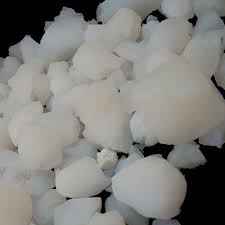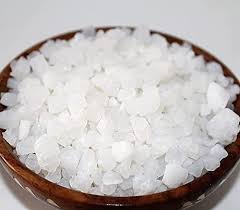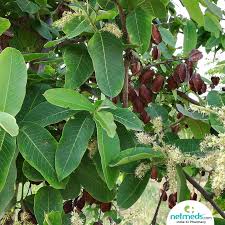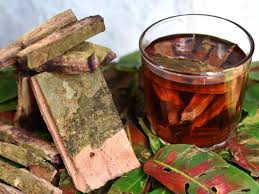

Paneer Dodi is a popular leafy vegetable known for its rich nutritional value and culinary versatility. Cultivating Paneer Dodi through organic farming methods ensures a chemical-free, nutrient-rich yield while promoting sustainable agriculture. Organic farming emphasizes natural soil fertility, pest management without synthetic chemicals, and eco-friendly practices that maintain soil health and biodiversity. Whether you are a home gardener or a small-scale farmer, growing Paneer Dodi organically can enhance crop quality, support environmental sustainability, and provide fresh produce for your kitchen. This article provides a comprehensive guide on organic farming techniques, soil preparation, planting, maintenance, and harvesting tips for cultivating Paneer Dodi successfully.
Long Description:
Benefits of Organic Farming for Paneer Dodi:
Chemical-Free Produce: Organic methods avoid synthetic fertilizers and pesticides, resulting in healthier, safe-to-eat vegetables.
Enhanced Nutritional Value: Organic cultivation often improves nutrient density in leaves and stems.
Soil Health Maintenance: Organic practices enrich soil with natural compost, improving fertility and structure.
Sustainable and Eco-Friendly: Promotes biodiversity, reduces environmental pollution, and conserves natural resources.
Cost-Effective Long-Term: Reduces dependency on chemical inputs while improving soil productivity over time.
Selecting the Right Site for Cultivation:
Choose a location with good sunlight exposure, at least 6–8 hours daily, as Paneer Dodi thrives under adequate light.
Ensure well-draining soil to prevent waterlogging, which can cause root diseases.
Maintain sufficient air circulation to reduce fungal and pest problems.
Soil Preparation for Organic Farming:
Conduct a soil test to determine pH and nutrient levels. Paneer Dodi prefers slightly acidic to neutral soil with a pH of 6.0–7.0.
Incorporate organic compost or well-rotted manure to enrich soil fertility.
Use green manure or cover crops to improve soil structure and add nutrients naturally.
Avoid chemical fertilizers, opting for natural sources like bone meal, neem cake, or vermicompost.
Seed Selection and Sowing:
Choose high-quality, disease-resistant Paneer Dodi seeds from reliable suppliers.
Organic seeds are preferable for chemical-free cultivation.
Sowing Method: Seeds can be sown directly in prepared beds or started in seed trays for transplantation.
Maintain spacing of 10–12 inches between plants to allow proper growth and air circulation.
Watering Practices:
Maintain consistent moisture in the soil without overwatering.
Use drip irrigation or watering cans to deliver water directly to roots, reducing water wastage.
Mulch the soil surface with straw or dried leaves to retain moisture and regulate temperature.
Organic Fertilization:
Use compost tea or liquid manure every 2–3 weeks to provide essential nutrients.
Apply vermicompost around plant roots for sustained fertility.
Use biofertilizers like Azospirillum or Phosphobacteria to enhance nitrogen fixation and phosphorus availability naturally.
Pest and Disease Management in Organic Farming:
Monitor crops regularly for early signs of pests such as aphids, caterpillars, or leaf miners.
Employ biopesticides like neem oil, garlic extract, or chili spray to manage infestations.
Encourage beneficial insects like ladybugs and predatory wasps to control pests naturally.
Implement crop rotation and intercropping to reduce pest buildup and prevent soil-borne diseases.
Remove diseased leaves promptly to prevent the spread of fungal or bacterial infections.
Weed Control and Mulching:
Remove weeds manually or use organic mulch to suppress weed growth.
Mulching also conserves soil moisture, prevents soil erosion, and maintains temperature.
Harvesting Paneer Dodi:
Paneer Dodi leaves are ready to harvest 45–60 days after sowing, depending on growth conditions.
Cut leaves with a sharp knife or scissors, leaving the central bud intact for continuous growth.
Regular harvesting encourages new leaf formation and prolongs productivity.
Tips for Maximizing Yield:
Maintain proper plant spacing to avoid overcrowding and enhance sunlight penetration.
Rotate crops with legumes or other vegetables to enrich soil naturally.
Use organic mulch and cover crops to improve soil fertility and moisture retention.
Monitor weather conditions and provide temporary shade or cover during extreme heat or rainfall.
Advantages of Growing Paneer Dodi Organically:
Healthier Leaves: Free from synthetic chemicals and richer in nutrients.
Sustainable Practice: Supports eco-friendly farming methods.
Long-Term Soil Productivity: Maintains and enhances soil fertility for future crops.
Reduced Environmental Impact: Less chemical runoff and pollution.
Economic Benefits: Reduces dependency on costly chemical fertilizers and pesticides.
Conclusion:
Organic farming of Paneer Dodi offers a sustainable, chemical-free approach to cultivating this nutritious vegetable. By focusing on soil health, natural fertilizers, pest management, and proper care, farmers and home gardeners can enjoy high-quality, nutrient-rich Paneer Dodi. Following organic practices not only enhances yield and quality but also contributes to environmental sustainability and long-term soil fertility. With careful planning, consistent maintenance, and attention to organic principles, Paneer Dodi cultivation can become a rewarding and eco-friendly venture for anyone interested in growing healthy, fresh vegetables at home or on a small farm.