

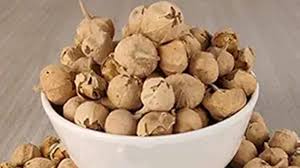

Paneer Dodi, a traditional indigenous herb, has been used for centuries in Tamil Nadu for its medicinal properties. Known for its nutrient-rich leaves and therapeutic effects, Paneer Dodi features prominently in local folk medicine practices. Communities across Tamil Nadu have utilized this herb to manage common ailments, improve digestion, boost immunity, and support overall wellness. This article explores how Paneer Dodi is integrated into folk remedies in Tamil Nadu, its health benefits, methods of preparation, and the significance of preserving this indigenous knowledge.
Long Description:
- Historical Significance of Paneer Dodi in Tamil Nadu:
- Traditional Use: Historically, Tamil Nadu’s rural communities relied on Paneer Dodi as a natural remedy for digestive issues, diabetes, and general fatigue.
- Cultural Heritage: Folk medicine in Tamil Nadu often combines indigenous herbs with diet and lifestyle practices to maintain health.
- Preservation of Knowledge: Older generations pass down recipes and preparation methods orally, ensuring the continuity of traditional medicine.
- Medicinal Properties of Paneer Dodi:
- Nutritional Value: Rich in vitamins C, K, and B-complex, essential minerals like calcium, potassium, and magnesium.
- Antioxidants: Helps neutralize free radicals, reducing oxidative stress in the body.
- Anti-inflammatory: Supports joint health and helps manage inflammation-related conditions.
- Digestive Aid: Promotes healthy digestion, relieves bloating, and regulates gut flora.
- Common Folk Remedies Using Paneer Dodi:
- Paneer Dodi Juice: Fresh leaves are crushed and consumed as juice to support blood sugar control and detoxification.
- Boiled Leaf Decoction: Leaves boiled in water are used as a mild remedy for stomach discomfort and acidity.
- Paneer Dodi Paste: Leaves ground into a paste are applied topically for minor skin ailments and rashes.
- Combined Herbal Remedies: Often mixed with turmeric, ginger, or neem to enhance therapeutic effects.
- Role in Digestive Health:
- Helps stimulate appetite and improve nutrient absorption.
- Relieves constipation and supports regular bowel movements.
- Reduces symptoms of indigestion such as bloating and acidity.
- Use in Managing Blood Sugar Levels:
- Anti-diabetic Potential: Regular intake of Paneer Dodi leaves helps maintain healthy blood glucose levels.
- Mechanism: Fiber content slows down sugar absorption, while antioxidants improve insulin sensitivity.
- Folk Practice: Often consumed as part of morning routines or incorporated into meals for continuous benefits.
- Immune-Boosting Benefits:
- Rich in vitamins and minerals that strengthen immunity.
- Supports the body in fighting infections and recovering from illness.
- Combined with other local herbs, Paneer Dodi forms a natural tonic widely used in Tamil households.
- Cultivation and Harvesting Practices:
- Soil Requirements: Prefers fertile, well-drained soil with organic matter.
- Watering: Requires consistent moisture without waterlogging.
- Sunlight: Thrives under partial to full sunlight.
- Harvesting: Leaves are harvested selectively to ensure continuous growth.
- Preservation of Folk Knowledge:
- Oral Traditions: Recipes and usage methods are taught by elders to younger generations.
- Community Practices: Villages share knowledge and plant resources to sustain indigenous herb cultivation.
- Documentation: Recording recipes and remedies ensures wider awareness and cultural preservation.
- Integrating Paneer Dodi into Modern Lifestyle:
- Can be used in home gardens for easy access to fresh leaves.
- Juice, decoctions, or powders can be incorporated into daily meals.
- Promotes a holistic approach to health combining diet, traditional medicine, and natural remedies.
- Sustainable and Ethical Use:
- Harvesting Practices: Only part of the plant is collected to allow regrowth.
- Organic Methods: Avoid chemical fertilizers and pesticides to retain medicinal properties.
- Biodiversity Support: Encourages cultivation alongside other native herbs to maintain ecological balance.
- Conclusion:
Paneer Dodi holds a significant place in Tamil Nadu’s folk medicine, offering a wide range of health benefits from digestive support to immune enhancement and blood sugar management. Its traditional use underscores the importance of preserving indigenous knowledge while promoting sustainable cultivation practices. By integrating Paneer Dodi into modern home gardens and daily routines, individuals can enjoy fresh, natural, and nutrient-rich remedies. Sustaining these folk practices ensures that future generations continue to benefit from this versatile herb, maintaining both cultural heritage and holistic health.
Related Posts
Customer Reviews: Top-Rated Banslochan Brands in India
Banslochan, also known as bamboo silica or tabasheer, is one of the most valued natural remedies in Ayurveda. With its cooling, strengt...
How to Store Banslochan for Maximum Freshness
Banslochan, also known as Tabasheer or bamboo silica, is a treasured natural remedy widely used in Ayurveda for its cooling, strengthen...
Why Herbalists Prefer Banslochan Over Western Medicine
Banslochan, also known as Tabasheer or Bamboo Silica, has been one of the most valued natural ingredients in traditional healing for ce...
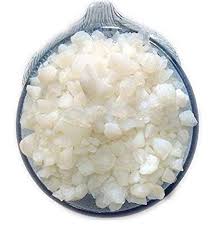
Banslochan in Homeopathy vs. Ayurveda: What’s the Difference?
Banslochan, also known as Tabasheer or Bamboo Silica, has been used for centuries as a natural healing substance in various traditional...
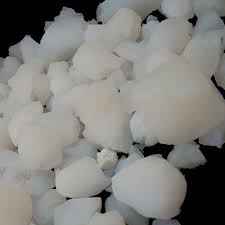
Choosing Organic vs. Regular Banslochan: What Matters Most
Banslochan, also known as Tabasheer or Bamboo Silica, is one of the most valued natural ingredients used in Ayurveda for improving bone...
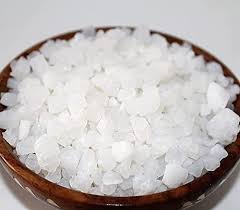
Choosing Organic vs. Regular Banslochan: What Matters Most
Banslochan, also known as Bamboo Silica or Tabasheer, is a traditional Ayurvedic ingredient widely used for strengthening bones, improv...
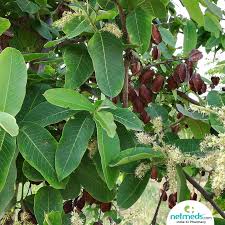
How Arjun Chaal Affects Heart Rhythm and Pulse Rate
Arjun Chaal, derived from the bark of the Terminalia arjuna tree, is one of the most respected Ayurvedic herbs for heart wellness. For ...
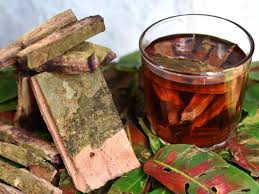
How Aritha Soap Helps in Reducing Skin Redness and Swelling
Aritha, also known as Soapnut, has been valued for centuries in Ayurveda for its gentle cleansing ability and soothing effect on the sk...
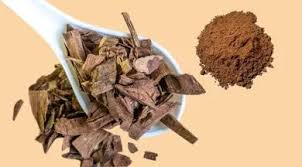
How Aritha Soap Helps in Reducing Skin Redness and Swelling
Aritha, also known as Soapnut, has been valued for centuries in Ayurveda for its gentle cleansing ability and soothing effect on the sk...
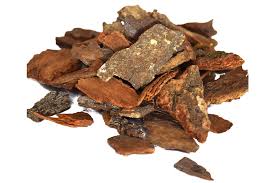
Can Arjun Chaal Help Clean Arteries Naturally?
Arjun Chaal, a highly respected Ayurvedic herb, has long been recognized for its powerful cardiovascular benefits. As heart-related dis...
Arjun Chaal for Old Age: Herbal Support for a Healthy Heart
Arjun Chaal, also known as Arjuna bark, has been a respected Ayurvedic remedy for centuries due to its remarkable ability to support he...
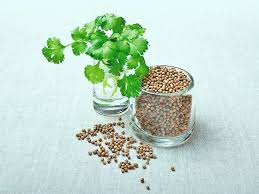
How Ali Flex Can Help You Achieve Work-Life Balance
Managing personal life and professional responsibilities together can be challenging, especially when work tasks consume most of your t...
