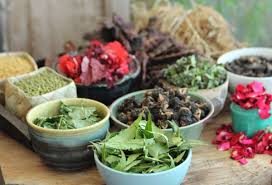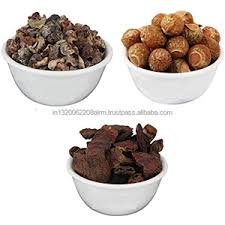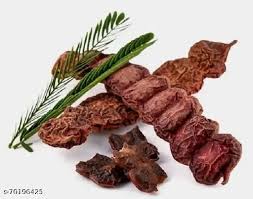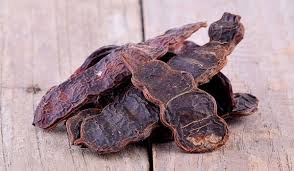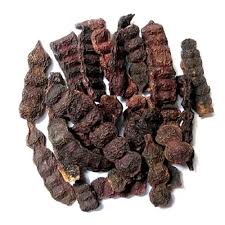








Amla, also known as Indian gooseberry, has long been celebrated in Ayurveda for its medicinal and cosmetic benefits. Its rich vitamin C content, antioxidants, and antimicrobial properties make it an effective natural remedy for hair and scalp issues. Scalp infections, caused by bacteria, fungi, or yeast, can lead to itching, dandruff, hair loss, and inflammation. Using amla as a natural treatment helps combat these infections while nourishing hair and promoting scalp health. In this guide, we explore how to use amla for hair scalp infections, its benefits, and practical ways to incorporate it into hair care routines.
- Understanding Scalp Infections
- Scalp infections can be caused by fungi (like ringworm), bacteria, or yeast overgrowth.
- Common symptoms include itching, redness, flaking, irritation, and hair thinning.
- Untreated infections can lead to hair fall and further scalp damage.
- Natural remedies like amla can reduce infection, inflammation, and promote healing without harsh chemicals.
- Why Amla Works Against Scalp Infections
- Amla has natural antimicrobial properties that help fight bacteria and fungi.
- Its high vitamin C content strengthens hair follicles and supports scalp immunity.
- Amla reduces inflammation and soothes irritated scalp skin.
- Regular use prevents recurrence of infections and promotes healthy hair growth.
- Amla Hair Oil for Scalp Health
- Benefits: Antimicrobial, reduces itchiness, nourishes hair, and improves scalp blood circulation.
- How to Use:
- Massage amla oil into the scalp 2-3 times per week.
- Leave for 1-2 hours or overnight for maximum effect.
- Wash with a mild shampoo to remove oil residue.
- Recommended Products: Dabur Amla Hair Oil, Biotique Bio Amla Oil, Forest Essentials Amla Hair Oil.
- Amla Powder and Aloe Vera Paste
- Benefits: Combines amla’s antimicrobial properties with aloe vera’s soothing effect.
- DIY Paste: Mix 1 teaspoon amla powder with 2 teaspoons aloe vera gel. Apply to the scalp for 20-30 minutes.
- Tip: Use 1-2 times a week to reduce scalp irritation and dandruff.
- Amla Hair Masks for Infection Control
- Benefits: Nourish scalp, strengthen hair, and prevent fungal growth.
- DIY Mask Recipe:
- Mix amla powder with yogurt and honey.
- Apply on scalp and hair, leave for 30 minutes, then rinse.
- Regular use promotes healthy scalp microbiome and reduces infections.
- Amla Juice for Hair and Scalp Health
- Benefits: Strengthens follicles, supports immune function, and improves hair quality.
- Drink diluted amla juice daily to support hair health from within.
- Tip: Combine with water or herbal teas for a refreshing drink.
- Amla Shampoo and Cleansers
- Benefits: Mild cleansing, antifungal properties, reduces dandruff and infection.
- Top Products:
- Khadi Natural Amla Shampoo: Strengthens hair and maintains scalp hygiene.
- Himalaya Anti-Hair Fall Amla Shampoo: Reduces itchiness and supports scalp recovery.
- Pair with amla oil treatments for best results.
- Amla Capsules or Supplements
- Benefits: Internal support for hair health and scalp immunity.
- Follow recommended dosage to enhance hair strength and infection resistance.
- Note: Consult a healthcare provider before starting supplements, especially if on medication.
- Additional Natural Ingredients with Amla for Scalp Care
- Neem: Antifungal, reduces scalp infections.
- Tea Tree Oil: Combats dandruff and fungal infections.
- Fenugreek: Reduces inflammation and promotes hair growth.
- Combine small amounts with amla oil or mask for enhanced benefits.
- Preventive Tips for Maintaining a Healthy Scalp
- Keep scalp clean and dry to prevent fungal growth.
- Avoid harsh chemical shampoos and treatments.
- Regularly massage scalp with amla oil to maintain circulation and immunity.
- Maintain a balanced diet with vitamin C, zinc, and omega-3 fatty acids.
- How Often to Use Amla for Scalp Infections
- Amla oil: 2-3 times per week.
- Amla hair masks: 1-2 times per week.
- Amla juice: Daily for internal support.
- Consistency is crucial for prevention and healing of scalp infections.
- Conclusion: Amla as a Natural Remedy for Scalp Health
- Amla is a safe, natural, and effective solution for preventing and treating scalp infections.
- Its antimicrobial, anti-inflammatory, and nourishing properties make it ideal for hair and scalp care.
- Combining topical application with internal consumption provides holistic support.
- Regular use of amla ensures a healthy, infection-free scalp, stronger hair, and overall improved hair health.