






A healthy gut is essential for overall well-being, and Ayurveda offers time-tested remedies that support digestive health naturally. In this article, we explore Ayurvedic healing practices and herbs that can help improve digestion, promote gut health, and restore balance to the digestive system. By incorporating Ayurvedic principles into your daily routine, you can improve digestion, reduce bloating, and enhance overall gut function for better health.
Ayurvedic Healing for Better Digestion and Gut Health: A Holistic Approach
Ayurveda, the ancient healing system from India, views digestion as the cornerstone of good health. According to Ayurveda, poor digestion (also called Agni or "digestive fire") leads to the accumulation of toxins (Ama) in the body, which can cause a wide range of health problems, including bloating, gas, indigestion, and overall fatigue. Ayurvedic healing practices aim to restore balance to the digestive system, promoting better digestion, nutrient absorption, and gut health. Here’s how Ayurveda can help improve your digestive health:
The Role of Agni (Digestive Fire) in Digestion According to Ayurveda, the key to good digestion is maintaining a strong Agni. This digestive fire is responsible for breaking down food, absorbing nutrients, and eliminating waste. When Agni is weak, digestion slows down, leading to undigested food that can turn into toxins. Ayurveda emphasizes balancing Agni through dietary adjustments, lifestyle changes, and herbal remedies to strengthen digestive fire and improve gut health.
Ayurvedic Herbs for Digestion Ayurvedic herbs have been used for centuries to promote digestive health and soothe the gut. Some of the most popular herbs include:
Triphala: A powerful blend of three fruits—Amla, Haritaki, and Bibhitaki—Triphala is known for its ability to cleanse the digestive system, relieve constipation, and enhance the absorption of nutrients. It also helps maintain healthy gut flora and promotes regular bowel movements.
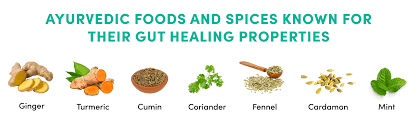
Ginger: A well-known digestive aid, ginger stimulates digestive enzymes, improves circulation, and alleviates nausea. It is commonly used in Ayurvedic remedies to reduce bloating, gas, and indigestion.
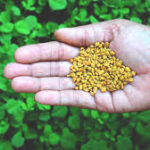
Fennel: Fennel seeds are often used in Ayurveda to calm the stomach, reduce bloating, and improve digestion. Fennel also helps in balancing the Vata dosha, which is responsible for digestive disturbances such as gas and constipation.
Aloe Vera: Aloe vera is a soothing herb for the digestive tract. It has anti-inflammatory properties that help heal the gut lining and alleviate symptoms of conditions such as acid reflux, bloating, and constipation.
Balancing the Doshas for Digestive Health Ayurveda emphasizes the importance of balancing the body's three doshas—Vata, Pitta, and Kapha—since imbalances in these energies can affect digestion. For example:
Vata Imbalance: When the Vata dosha is aggravated, it can lead to irregular bowel movements, constipation, and bloating. To balance Vata, warm, grounding foods such as soups, stews, and cooked grains are recommended, along with regular, calming practices such as meditation and yoga.
Pitta Imbalance: An excess of Pitta can lead to acid reflux, indigestion, and heartburn. Cooling foods like cucumbers, coconut, and mint help soothe the Pitta dosha. Avoiding spicy and fried foods can also help balance Pitta and promote smoother digestion.
Kapha Imbalance: A sluggish Kapha dosha can lead to slow digestion and weight gain. To stimulate digestion, Kapha types benefit from light, spicy foods and herbs such as ginger and black pepper.
Mindful Eating for Optimal Digestion Ayurveda teaches that mindful eating is a key factor in promoting healthy digestion. Eating slowly, chewing food thoroughly, and focusing on meals without distractions can improve nutrient absorption and reduce digestive discomfort. It is also important to avoid overeating, which can overwhelm the digestive system.
Detoxification for Gut Health Detoxification is another important aspect of Ayurvedic healing. Ayurvedic detox programs, such as Panchakarma, are designed to cleanse the body of accumulated toxins (Ama) and promote gut health. These treatments typically involve dietary adjustments, herbal therapies, and therapies such as oil massages and enemas to detoxify the body and restore digestive balance.
Lifestyle Adjustments for Healthy Digestion Ayurveda encourages a balanced lifestyle to promote digestive health. Regular exercise, proper sleep, and stress management practices such as yoga and meditation are essential for maintaining strong digestive health. Ayurveda also emphasizes the importance of a regular eating schedule, as consistency helps regulate digestive fire (Agni).
Foods for Better Digestion Ayurveda promotes the consumption of fresh, whole foods that are easy to digest. Foods such as cooked vegetables, grains, and soups are recommended for their easy digestibility. Ayurveda also suggests avoiding heavy, processed, and fried foods, as these can burden the digestive system and lead to sluggish digestion.
Incorporating Ayurvedic practices into your lifestyle can help improve digestion, promote a healthy gut, and restore balance to the body. With its holistic approach to digestive health, Ayurveda offers effective and natural remedies that support optimal gut function for a healthier, more vibrant life.