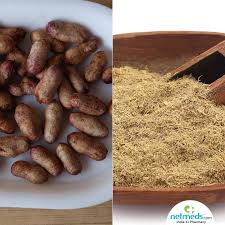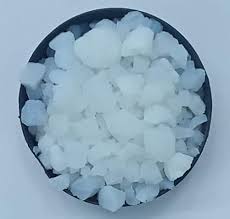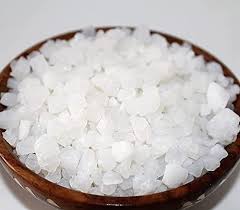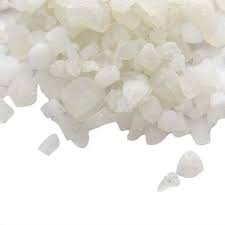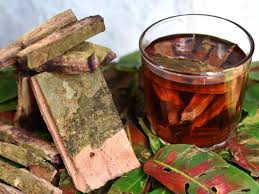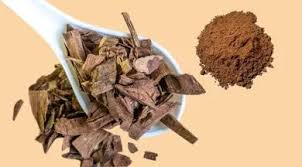






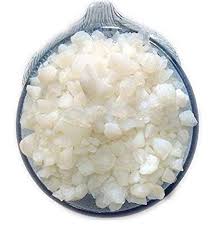

Banslochan, also known as Tabasheer or Bamboo Silica, has been used for centuries as a natural healing substance in various traditional medical systems. While Ayurveda has always placed Banslochan among its most valuable cooling and strengthening ingredients, Homeopathy also uses it in a different form and for different therapeutic purposes. This creates confusion for many individuals who want to use this powerful natural ingredient for healing but are unsure which system offers the right approach. On Dirghaanshi, where natural wellness and traditional healing methods are the core focus, understanding the difference between Banslochan in Homeopathy and Ayurveda becomes essential. Knowing how each system processes, formulates, and applies Banslochan helps you choose the right path for your health needs.
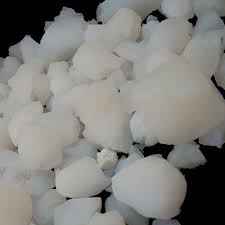
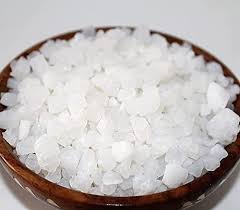
Banslochan is a naturally occurring white, chalky, or crystal-like substance collected from the nodes of bamboo stems. It is rich in silica, trace minerals, and cooling properties that benefit bones, joints, skin, immunity, and respiratory health. Over time, different healing systems around the world have adopted Banslochan into their medicinal methods. However, Ayurveda and Homeopathy use it in very different ways, each focusing on different principles, potencies, and treatment goals.
To understand Banslochan’s role deeply, it is important to explore how each system identifies it, purifies it, applies it, and uses it for healing purposes. This detailed guide will help you clearly differentiate between Banslochan in Ayurveda and Banslochan in Homeopathy.
- What Is Banslochan and Why Is It Important?
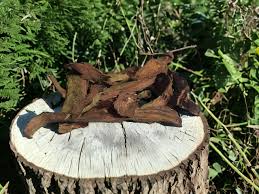
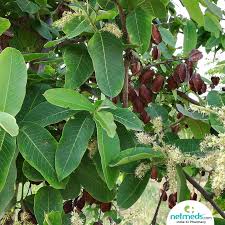
Banslochan forms naturally inside bamboo plants when silica and minerals crystallize. It is collected from specific bamboo species and has been considered a valuable medicinal ingredient due to its cooling and rejuvenating effects.
Key Natural Properties of Banslochan
Rich in natural silica
Cooling and soothing
Rejuvenating and strengthening
Anti-inflammatory
Beneficial for bones and joints
Helpful for respiratory and digestive issues
Supports skin healing and elasticity
Both Ayurveda and Homeopathy acknowledge these natural properties, but they use them differently.
- Banslochan in Ayurveda
Ayurveda considers Banslochan a powerful Rasayana or rejuvenative substance. It appears in many classical Ayurvedic texts and is often used as a cooling and strengthening ingredient.
A. Ayurvedic Classification
In Ayurveda, Banslochan is categorized under:
Sheet Virya herbs
Balya herbs
Rasayana dravyas
Medicinal minerals
It is commonly combined with herbs like Shatavari, Ashwagandha, Giloy, Pippali, Mulethi, and Gokshura.
B. Ayurvedic Uses of Banslochan
Ayurveda uses Banslochan for many conditions including:
Strengthening bones and joints
Improving skin glow and elasticity
Healing cough and cold
Soothing sore throat
Reducing acidity
Supporting digestion
Enhancing immunity
Improving reproductive health
Cooling the body during heat or inflammation
Supporting hair growth and reducing hair fall
C. Ayurvedic Form
Ayurveda uses Banslochan in its raw, powdered, or purified mineral form. It may be used in:
Churna
Classical formulations
Herbal mixtures
Milk preparations
Ghee-based remedies
The natural silica content remains intact and provides structural and strengthening benefits.
- Banslochan in Homeopathy
Homeopathy uses Banslochan in a completely different form. It is not used as raw silica but rather processed into highly diluted potencies known as medicines.
A. Homeopathic Name for Banslochan
In Homeopathy, Banslochan is typically referred to as:
Silicea
Silicea Terra (purified form)
It is derived from silica-rich substances, including Banslochan.
B. Homeopathic Form
Homeopathic medicines are diluted and potentized. This changes the way the human body responds to the substance.
Homeopathy uses Banslochan in:
Liquid dilutions (Q, 3X, 6X, 30C, 200C etc.)
Small sugar globules
Tincture form (in rare cases)
C. Homeopathic Uses of Silicea
Homeopathy uses Banslochan (as Silicea) for a different set of conditions:
Abscess, boils, and pus formation
Weak immunity
Frequent infections
Fatigue and lack of stamina
Weak bones or brittle nails
Headaches
Skin eruptions
Delayed healing
Excessive sweating
Anxiety or nervous weakness
The focus is more on energetic healing rather than nutritional supplementation.
- Key Differences Between Ayurveda and Homeopathy in Using Banslochan
The two systems differ significantly in their approach. Below are the most important differences:
A. Philosophy of Treatment
Ayurveda:
Focuses on balancing doshas
Uses natural minerals and herbs
Works on physical tissues
Homeopathy:
Works on energetic imbalance
Uses potentized dilutions
Focuses on mental, emotional, and physical symptoms together
B. Form of Banslochan
Ayurveda:
Uses raw or purified Banslochan rich in silica
Homeopathy:
Uses potentized Silicea, where the physical mineral content is minimal
C. Therapeutic Goal
Ayurveda:
Strengthening
Cooling
Nourishing
Homeopathy:
Energetic correction
Immune stimulation
Healing pathological conditions like pus formation
D. Dosage
Ayurveda:
Usually 250 mg to 2 grams per day
Homeopathy:
Few drops or globules depending on potency
E. Safety and Side Effects
Ayurveda:
Safe when consumed in right quantities
Overuse may cause excess cooling
Homeopathy:
Safe because of high dilution
Needs proper guidance for potency selection
- Which One Is Better for You?
Your choice depends on your health needs.
Choose Ayurveda If You Want
Stronger bones and joints
Better skin elasticity
Cooling and digestive support
Respiratory relief
Hair strengthening
Natural mineral supplementation
Daily wellness improvement
Ayurveda provides direct mineral benefits through silica.
Choose Homeopathy If You Want
Treatment for abscess or boils
Immune-related problems
Nervous system support
Healing of chronic infections
Emotional and mental balance
Long-term chronic condition support
Homeopathy focuses on deep-rooted, subtle healing.
- Can Ayurveda and Homeopathy Use Banslochan Together?
Both systems can be used, but they should not be taken at the exact same time without expert guidance. Ayurveda works physically, while Homeopathy works energetically. A gap is usually recommended if both treatments are used.
- Important Factors to Consider Before Choosing
Here are essential points to help you decide:
Your health goals
Current medical conditions
Whether you need mineral support
Whether you want energetic or natural healing
Whether you prefer herbal combinations (Ayurveda)
Whether you need chronic disease management (Homeopathy)
Your digestion and body type
Sensitivity to energy-based medicines
- Conclusion: What Truly Makes the Difference
Banslochan is a powerful natural substance, but Ayurveda and Homeopathy treat it very differently. In Ayurveda, Banslochan is valued as a strengthening, cooling, and nourishing mineral-rich ingredient. In Homeopathy, the same substance is transformed into Silicea, a potentized remedy used for emotional, physical, and immune-related imbalances.
For readers of Dirghaanshi, who value herbal, natural, and traditional healing, understanding these differences helps you choose the right path for your wellness journey. Your goal, health needs, and approach to healing determine whether Ayurvedic Banslochan or Homeopathic Silicea is better for you.