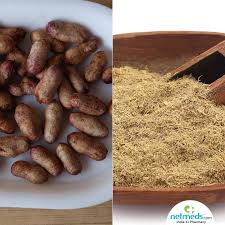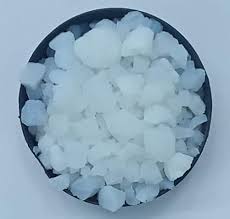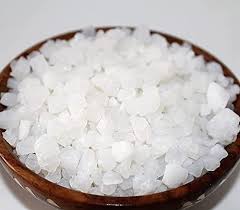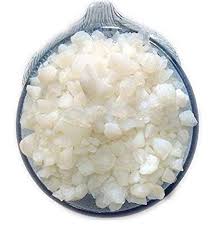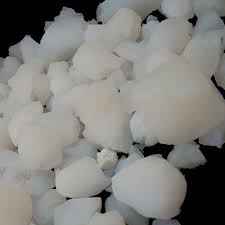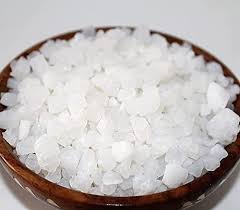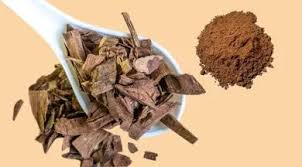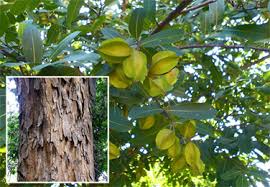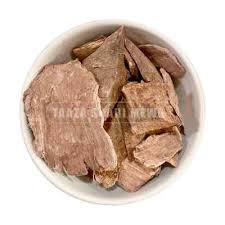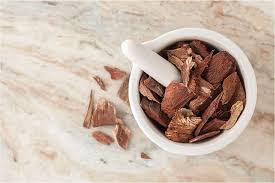
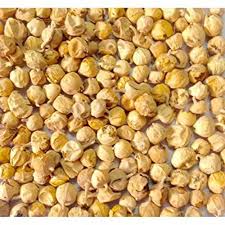

The global demand for herbal and natural products is growing rapidly, and Paneer Phool has emerged as a sought-after ingredient due to its therapeutic and nutritional properties. Exporting Paneer Phool products presents lucrative opportunities for herbal brands and entrepreneurs looking to tap into international markets. With the increasing popularity of Ayurveda, natural wellness, and organic products, Paneer Phool is gaining attention for use in hair care, skincare, dietary supplements, and health beverages. This article explores the export potential, market trends, regulatory requirements, and strategies for successfully exporting Paneer Phool products.
Long Description:
- Understanding the Global Herbal Market
The herbal and natural products industry is expanding due to consumer preference for chemical-free, eco-friendly, and health-promoting products.
Paneer Phool, with its rich bioactive compounds, fits perfectly into international demand for herbal supplements, cosmetics, and wellness products.
Countries across Europe, North America, and Asia are witnessing an increase in interest for herbal products derived from Ayurvedic herbs and traditional remedies.
- Why Paneer Phool is Export-Ready
Versatility – Used in hair care, skincare, dietary supplements, and wellness beverages.
Therapeutic Benefits – Anti-inflammatory, immune-boosting, and skin-nourishing properties.
Consumer Appeal – Natural, safe, and eco-friendly ingredients are in high demand globally.
Market Differentiation – Paneer Phool offers a unique selling proposition compared to other herbal ingredients.
Sustainability – Organic cultivation practices resonate with environmentally conscious buyers.
- Key Export Markets
North America: High demand for natural wellness, organic skincare, and hair care products.
Europe: Interest in Ayurveda, chemical-free products, and sustainable packaging drives sales.
Middle East: Growing popularity of herbal remedies for hair and skin health.
Asia-Pacific: Expanding wellness industry and herbal product adoption in countries like Japan, South Korea, and Singapore.
Exporters can target markets based on consumer trends, product categories, and regional preferences.
- Export Regulations and Compliance
Quality Certifications: Organic, GMP-certified, and ISO standards improve market acceptance.
Labeling Requirements: Accurate ingredient list, origin, usage instructions, and expiration date.
Customs and Documentation: Import permits, phytosanitary certificates, and commercial invoices are required for international shipments.
Packaging Standards: Compliance with eco-friendly and safe packaging regulations.
Product Testing: Safety, efficacy, and quality tests may be mandated in some countries.
Adhering to regulations ensures smooth customs clearance and consumer trust.
- Strategies to Boost Paneer Phool Exports
a. Market Research:
Identify demand, target audience, and competitors in each region.
Analyze pricing trends and preferred product formats (powder, capsules, oils).
b. Product Differentiation:
Offer Paneer Phool in premium, organic, or blended formulations.
Use innovative packaging to enhance appeal and shelf life.
c. Digital Marketing and E-Commerce:
Leverage online marketplaces like Amazon, Etsy, and specialized herbal stores.
Build an informative website showcasing benefits, certifications, and testimonials.
d. Trade Shows and B2B Networking:
Participate in international herbal, organic, and wellness expos.
Connect with distributors, retailers, and wholesalers for bulk export opportunities.
e. Sustainability Practices:
Highlight eco-friendly sourcing, biodegradable packaging, and ethical harvesting practices.
Attract conscious consumers and international buyers who value sustainability.
- Challenges in Exporting Paneer Phool
Supply Chain Reliability: Seasonal availability may impact consistent supply.
Regulatory Barriers: Different countries have varying import regulations.
Market Awareness: Educating foreign consumers about Paneer Phool benefits.
Competition: Competing with other established herbal products in global markets.
Logistics: Ensuring safe and timely delivery while maintaining product integrity.
Addressing these challenges requires strategic planning, partnerships, and quality assurance.
- Future Prospects
Rising Global Wellness Trends: Increased adoption of herbal remedies boosts export potential.
Product Innovation: New formulations, such as Paneer Phool-infused teas, skincare serums, and hair oils, expand market reach.
Brand Recognition: Developing strong branding enhances credibility and consumer trust abroad.
Digital Expansion: Online platforms make it easier to reach international consumers and track demand patterns.
By focusing on quality, marketing, and compliance, Paneer Phool exporters can achieve sustainable growth and tap into long-term global opportunities.
Conclusion:
The export of Paneer Phool products presents significant opportunities for herbal startups and established brands in 2025. With its versatility, therapeutic benefits, and natural appeal, Paneer Phool aligns with global trends in wellness, skincare, and hair care. By understanding target markets, adhering to regulations, adopting innovative packaging, and leveraging digital platforms, exporters can maximize reach, profitability, and brand recognition. The growing demand for herbal and Ayurvedic products ensures that Paneer Phool has a promising future in international markets, contributing to the expansion of the herbal industry worldwide.