
Skin rashes, redness, and irritation can be both uncomfortable and embarrassing. They often arise due to allergies, infections, environmental triggers, or imbalances in the body’s internal systems. Instead of relying solely on chemical creams or steroids that may have side effects, ancient Ayurvedic wisdom offers effective and gentle alternatives. At dirghaanshi, we focus on the power of Jadi Buti — traditional medicinal herbs — that have been used for centuries to naturally soothe, heal, and protect the skin from various forms of irritation. In this article, discover how these herbal remedies can help treat and prevent skin rashes with zero side effects.
Long Description
Understanding Skin Rashes from an Ayurvedic Perspective
According to Ayurveda, most skin issues, including rashes and irritations, are a result of imbalances in the Pitta dosha — the energy associated with heat and transformation. When Pitta becomes aggravated due to excessive heat, stress, spicy foods, or toxins (Ama) in the blood, it manifests as skin inflammation, redness, itching, and irritation.
To bring balance, Ayurveda recommends cooling, detoxifying, and anti-inflammatory herbs that:
Purify the blood
Calm aggravated Pitta
Heal damaged skin tissues
Enhance skin immunity
Let’s explore some of the most effective Jadi Butiyan (herbs) that can naturally treat skin rashes and irritation.
Top Jadi Buti for Treating Skin Rashes & Irritations
- Neem (Azadirachta indica)
Neem is one of the most powerful Ayurvedic herbs known for its antibacterial, antifungal, and anti-inflammatory properties.
Benefits:
Treats acne, eczema, and psoriasis
Soothes itching and inflammation
Purifies blood and detoxifies skin
Usage:
Apply neem oil on affected areas
Use neem leaf paste for skin rashes
Drink neem water for internal detox
- Manjistha (Rubia cordifolia)
Manjistha is a top Rakta Shodhak (blood purifier) in Ayurveda, ideal for treating chronic skin issues.
Benefits:
Clears toxins from the blood
Reduces redness, swelling, and irritation
Supports lymphatic drainage
Usage:
Drink Manjistha tea or take powder with warm water
Use Manjistha-infused oils for topical application
- Aloe Vera (Ghritkumari)
Aloe Vera is cooling, soothing, and deeply hydrating for sensitive and rash-prone skin.
Benefits:
Reduces burning and redness
Speeds up healing of blisters and rashes
Moisturizes without clogging pores
Usage:
Apply fresh Aloe Vera gel directly on rashes
Drink Aloe Vera juice (in moderation) to cool internal heat
- Turmeric (Haldi)
Turmeric is a natural anti-inflammatory and antimicrobial agent widely used to treat various skin problems.
Benefits:
Fights bacteria and fungus
Reduces skin irritation and swelling
Helps heal wounds and allergic rashes
Usage:
Mix turmeric powder with honey and apply as a paste
Consume turmeric with warm milk for internal healing
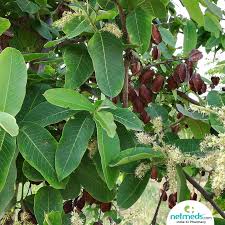
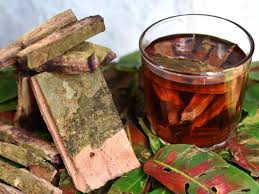
- Khadira (Acacia catechu)
Khadira is an important Ayurvedic herb known for its astringent and anti-allergic properties.
Benefits:
Treats fungal infections and dermatitis
Soothes itching and skin eruptions
Strengthens skin’s defense mechanism
Usage:
Use Khadira powder in face packs
Drink decoctions for skin detox
- Chandan (Sandalwood)
Sandalwood is renowned for its cooling and calming effects on inflamed skin.
Benefits:
Provides instant relief from itching and burning
Reduces rash marks and pigmentation
Improves skin texture and glow
Usage:
Apply sandalwood paste mixed with rosewater
Use in herbal face masks or oils
- Giloy (Tinospora cordifolia)
Also called Amrita, Giloy is an excellent immune-modulator and skin healer.
Benefits:
Treats chronic skin rashes and hives
Purifies blood and balances Pitta
Boosts immunity to prevent recurrence
Usage:
Consume Giloy juice or decoction
Apply in combination with neem or aloe vera for rash relief
Other Helpful Ayurvedic Tips for Rash-Free Skin
Diet for Rash Healing
Avoid spicy, fried, and acidic foods
Include cooling foods like cucumber, coconut water, and buttermilk
Eat bitter vegetables like karela and neem leaves
Lifestyle Support
Practice meditation and pranayama to reduce stress-induced rashes
Wear breathable, cotton clothing
Keep skin clean and dry in humid weather
Herbal Baths
Add neem leaves, turmeric, or Triphala to your bath water
Use herbal soaps made from natural ingredients like basil and sandalwood
Why Choose Jadi Butiyan from dirghaanshi?
At dirghaanshi, we promote high-quality, ethically sourced Jadi Buti for health and skin wellness. Our herbs are:
100% natural and chemical-free
Backed by Ayurvedic expertise
Suitable for all skin types
Safe for long-term use
Precautions
Always do a patch test before applying any herb topically
Pregnant or lactating women should consult an Ayurvedic doctor
Avoid using multiple herbs together without proper guidance
Be consistent but patient – natural remedies take time to show results
Conclusion
Skin rashes and irritations don’t always need chemical treatments. With the right combination of Ayurvedic Jadi Butiyan, you can heal your skin gently, deeply, and naturally. Whether it’s Neem’s antibacterial power, Aloe Vera’s soothing touch, or Manjistha’s detoxifying effect — these herbal wonders offer lasting relief and radiant skin. Explore the ancient herbal wisdom of dirghaanshi to transform your skincare routine and enjoy clear, rash-free skin without side effects.