




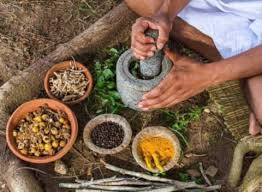

Oral health is not just about a bright smile—strong teeth and healthy gums are essential for overall well-being. In Ayurveda, various Jadi Buti (medicinal herbs) have been used for centuries to naturally strengthen teeth and gums, prevent decay, fight bad breath, and maintain oral hygiene without chemicals. At Dirghaanshi, we explore how these traditional herbs can offer natural, effective, and chemical-free dental care.
🌿 Long Description
🦷 The Importance of Strong Teeth & Gums
Poor dental health can lead to toothache, sensitivity, bleeding gums, and even digestive issues. Most modern dental products contain harsh chemicals that may cause long-term harm. Instead, Ayurvedic Jadi Buti offer natural antimicrobial, astringent, and anti-inflammatory properties that not only clean the mouth but also nourish and protect the gums and teeth from within.
Let’s look at some of the most effective Ayurvedic herbs used in oral care and how they work.
🌱 Top Jadi Buti for Dental Strength & Oral Hygiene
1. Neem – Nature’s Toothbrush
Neem is a powerful antibacterial and antifungal herb that has been used in traditional Indian households for brushing teeth naturally. It removes bacteria, strengthens gums, and prevents plaque buildup.
How to Use: Neem twigs can be used as a toothbrush, or Neem powder can be added to natural toothpastes and mouthwashes.
2. Babool – Gum Tightening Herb
Babool (Acacia Arabica) is rich in tannins which have astringent properties. It helps in tightening the gums, reducing swelling, and stopping bleeding.
How to Use: Powdered Babool bark can be used as a tooth powder or mixed with rock salt for massaging gums.
3. Clove (Laung) – Natural Pain Reliever
Clove is widely known for its analgesic and antiseptic properties. It helps relieve toothache, kill bacteria, and freshen breath.
How to Use: Apply clove oil to the affected tooth or add powdered clove to your toothpaste.
4. Liquorice Root (Mulethi) – Anti-Cavity Herb
Mulethi has natural antibacterial properties and helps prevent tooth decay and gum infections. It also reduces inflammation in the mouth.
How to Use: Chewing on Mulethi sticks or using it in herbal toothpaste can improve oral hygiene.
5. Triphala – Complete Oral Detox
Triphala is a combination of three fruits—Amla, Haritaki, and Bibhitaki—which are known to detoxify the body. For oral health, it prevents tartar buildup, reduces bad breath, and strengthens oral tissues.
How to Use: Triphala powder can be used as a mouth rinse or taken internally for systemic benefits.
6. Bakul (Indian Medlar) – Strengthening the Teeth
Bakul bark is known in Ayurveda for strengthening teeth and preventing gum recession.
How to Use: Bakul bark powder can be applied directly to the gums or used in herbal tooth powders.
🧼 How to Use Jadi Buti in Your Daily Oral Care
- Use herbal tooth powders made from Neem, Babool, Clove, and Mulethi.
- Rinse your mouth daily with Triphala water or salt water.
- Perform oil pulling with sesame or coconut oil for 10–15 minutes every morning.
- Avoid sugar-loaded and chemical-based mouth fresheners.
🧘♂️ Ayurvedic Tips for Healthy Oral Hygiene
- Practice Gandusha (oil pulling) for detoxifying the mouth.
- Massage your gums with herbal oils like Dashan Sanskar.
- Stay hydrated and maintain a balanced Pitta to avoid mouth ulcers or bleeding.
📝 Conclusion
Oral health doesn’t have to depend solely on commercial products. With the power of Jadi Buti like Neem, Babool, Clove, Mulethi, Triphala, and Bakul, you can naturally strengthen your teeth and gums, fight bacteria, and enjoy fresh breath—all while avoiding harmful chemicals. At Dirghaanshi, we bring you closer to Ayurvedic oral wellness—pure, holistic, and time-tested.