







Managing diabetes can be challenging, but with the right natural remedies and lifestyle adjustments, it is possible to reduce blood sugar levels effectively. This article explores the journey of a diabetic patient who successfully lowered sugar levels naturally through dietary changes, herbal supplements, and wellness practices. By sharing this experience, we aim to provide actionable insights, practical tips, and inspiration for individuals looking to manage diabetes in a safe and holistic manner.
Long Description:
- Understanding Diabetes and Its Challenges
Diabetes is a chronic condition characterized by high blood sugar levels due to insulin resistance or insufficient insulin production.
Common complications include heart disease, kidney issues, neuropathy, and vision problems.
Conventional treatment often involves medication, but natural approaches can complement medical care and improve overall health.
Lifestyle factors such as diet, exercise, stress management, and herbal remedies play a crucial role in maintaining balanced glucose levels.
- Patient Background and Initial Diagnosis
The patient, a 45-year-old individual, was diagnosed with Type 2 Diabetes after routine blood tests showed elevated sugar levels.
Symptoms included frequent urination, fatigue, blurred vision, and sugar cravings.
The patient sought natural solutions alongside medical guidance to avoid long-term medication dependence.
- Dietary Adjustments for Sugar Control
Low Glycemic Foods: Incorporating whole grains, legumes, and leafy vegetables helped stabilize blood sugar levels.
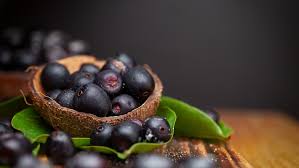
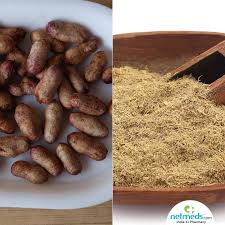
Herbal Additions: Using herbs like Amla, Cinnamon, and Fenugreek contributed to improved insulin sensitivity.
Portion Control: Smaller, balanced meals reduced sugar spikes after eating.
Avoiding Refined Sugars: Eliminating sugary drinks, sweets, and processed foods was key to reducing daily glucose intake.
Hydration: Drinking sufficient water supported metabolism and detoxification.
The combination of these dietary adjustments provided a steady reduction in sugar levels over several weeks.
- Herbal Supplements and Remedies
Amla (Indian Gooseberry): Rich in vitamin C and antioxidants, it supports pancreatic function and insulin regulation.
Cinnamon: Known to improve glucose metabolism and reduce fasting blood sugar levels.
Fenugreek Seeds: Contain soluble fiber that slows sugar absorption in the intestines.
Bitter Gourd Juice: Helps regulate blood sugar by mimicking insulin activity.
Herbal Teas: Blends of neem, tulsi, and amla aided in maintaining steady sugar levels.
These natural remedies complemented dietary changes and improved glycemic control naturally.
- Physical Activity and Lifestyle Changes
Regular Exercise: Walking, yoga, and light cardio improved insulin sensitivity.
Stress Management: Meditation and deep breathing exercises helped reduce cortisol levels, which can affect glucose.
Sleep Hygiene: Adequate sleep supported metabolic health and blood sugar regulation.
Monitoring Progress: Regular home glucose monitoring ensured timely adjustments to diet and activity.
Lifestyle interventions played a critical role in achieving consistent results.
- Role of Ayurvedic Practices
Oil Pulling and Herbal Mouth Rinses: Helped reduce oxidative stress.
Detoxifying Drinks: Herbal concoctions including amla and coriander supported liver and kidney health.
Mind-Body Balance: Ayurveda emphasizes a holistic approach combining diet, exercise, and mental well-being.
Integrating these practices strengthened overall body resilience and sugar regulation.
- Tracking Progress and Results
Over three months, the patient experienced:
Significant reduction in fasting and postprandial sugar levels
Improved energy and reduced fatigue
Better weight management and metabolism
Enhanced skin and hair health due to herbal supplementation
Regular monitoring and adaptation of routines were key to long-term success.
- Tips for Others Seeking Natural Sugar Management
Consult Professionals: Always coordinate with a doctor before starting herbal remedies.
Consistency: Daily adherence to diet, exercise, and herbal supplementation is crucial.
Balanced Nutrition: Include a variety of vegetables, herbs, and protein sources.
Avoid Processed Foods: Minimize refined carbs and sugars to prevent glucose spikes.
Holistic Approach: Combine diet, lifestyle, exercise, and mindfulness for best results.
Following these tips helps reduce sugar naturally without relying solely on medication.
- Future Considerations
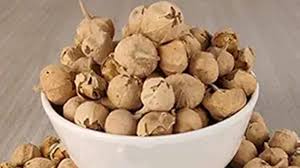
Herbal Innovations: New Paneer Phool, Amla, and other herbal supplements can further support sugar management.
Digital Health Tools: Apps for tracking diet, activity, and sugar levels provide real-time insights.
Awareness Programs: Educating diabetic patients about natural remedies and lifestyle practices encourages proactive management.
Community Support: Sharing experiences in wellness communities reinforces adherence and motivation.
With proper guidance, natural sugar management is achievable and sustainable.
Conclusion:
The story of this diabetic patient demonstrates that blood sugar levels can be reduced naturally with a combination of dietary modifications, herbal supplements, lifestyle changes, and Ayurvedic practices. Herbs like Amla, Cinnamon, and Fenugreek, along with regular exercise and mindful living, played a central role in achieving healthy and consistent glucose control. By following similar strategies, diabetic individuals can complement medical treatment, enhance well-being, and embrace a holistic approach to managing diabetes in 2025 and beyond.