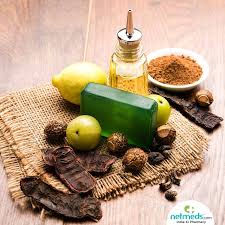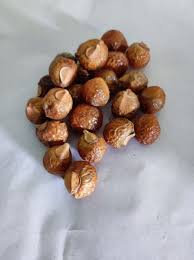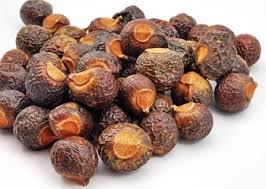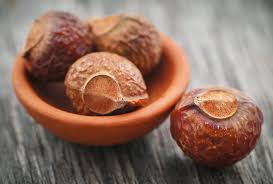

Making your own herbal skincare products at home is one of the best ways to stay close to nature, and Aritha—also known as Soapnut—is a powerful ingredient used for centuries in Ayurvedic beauty care. On Dirghaanshi, where we focus on traditional remedies, natural herbs, and healthy living, learning how to make fragrant Aritha soap using herbal essences is an ideal blend of purity and wellness. This introduction guide will help you understand why Aritha is valued for skin and hair cleansing, how herbal essences enhance its benefits, and how you can prepare a gentle aromatic soap at home without chemicals. This article is designed to give you complete step-by-step guidance along with helpful points to make the process simple, safe, and effective.
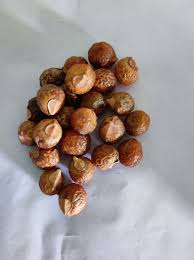
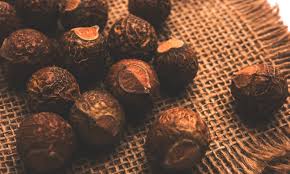
Aritha, commonly known as Soapnut or Reetha, has been a cherished herbal ingredient in Ayurveda for hundreds of years. Its natural cleansing properties, foaming ability, and skin-soothing effects make it a perfect choice for chemical-free skincare. When we combine Aritha with herbal essences, essential oils, and pure natural extracts, we get a beautifully fragrant soap that not only cleans but also nourishes and refreshes the skin.
Making your own fragrant Aritha soap is more than just a DIY project. It is a step toward adopting natural living, reducing harsh chemical exposure, and embracing the healing properties of herbs. On Dirghaanshi, we focus on the power of Jadi Buti and ancient herbal remedies. This detailed guide will walk you through everything you need to know to create a high-quality Aritha soap with long-lasting fragrance and therapeutic benefits.
What Makes Aritha Perfect for Homemade Herbal Soap
Aritha contains natural saponins that act as gentle cleansing agents. These compounds help create foam and remove dirt, oil, and impurities from the skin without stripping away natural moisture. This makes Aritha ideal for sensitive skin, acne-prone skin, and people looking for sulfate-free cleansing.
Key Benefits of Aritha for Skin
Natural cleanser that removes dirt and oil without irritation
Helps reduce pimples and acne outbreaks
Soothes inflammation and prevents redness
Suitable for sensitive and dry skin
Supports even skin tone and smooth texture
Encourages glowing, clear skin
100 percent chemical-free and eco-friendly
Why Add Herbal Essences to Aritha Soap
Herbal essences and essential oils enhance the natural fragrance and healing ability of the soap. They add aromatherapy benefits and promote relaxation, clearer skin, and improved mood.
Common Herbal Essences to Use
Neem essence for antibacterial protection
Tulsi essence for detoxifying the skin
Lavender essence for calmness and aromatherapy
Sandalwood essence for smoothness and glow
Rose essence for hydration and freshness
Tea tree essence for acne-control
Mint essence for cooling and refreshing feeling
Each of these herbal essences blends perfectly with Aritha to produce a powerful natural soap that works on multiple skin concerns.
Ingredients Required to Make Fragrant Aritha Soap
To make high-quality homemade Aritha soap, you need natural and pure ingredients. Always choose fresh herbs and cold-pressed oils for best results.
Main Ingredients
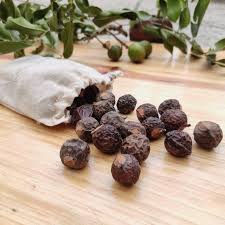
Aritha powder or whole Aritha nuts
Base oils such as coconut oil, olive oil, or castor oil
Herbal essences or essential oils of your choice
Shea butter or cocoa butter for moisturization
Distilled water or herbal hydrosol
Natural colorants like turmeric or beetroot powder (optional)
Step-by-Step Guide to Making Fragrant Aritha Soap
Follow this process carefully to create a professional-quality herbal soap at home.
Step 1: Preparing Aritha Extract
Aritha can be used in powder form or soaked to prepare a liquid extract.
Take Aritha nuts and soak them in warm water overnight
Boil the soaked Aritha for 10–15 minutes
Mash them to extract the saponin-rich liquid
Strain the mixture and keep the extract aside
This natural Aritha liquid works as the main cleansing base.
Step 2: Heating and Melting Oils
In a separate container:
Heat coconut oil, olive oil, or your preferred base oils
Add shea butter or cocoa butter to improve texture
Warm gently until everything melts smoothly
Step 3: Combining Aritha Extract with Oils
Slowly add the cooled Aritha extract into the oils.
Mix slowly to avoid separation
Stir continuously until the mixture thickens
Make sure the temperature stays balanced
Step 4: Adding Herbal Essences
Now comes the most important step: adding fragrance and herbal benefits.
Choose any herbal essence depending on the fragrance and skin effects you want:
Add lavender essence for calming aroma
Add neem or tea tree oil for antibacterial strength
Add rose essence for fresh floral fragrance
Add sandalwood essence for rich aroma and glowing skin
Mix the essences well so the fragrance stays long-lasting in the soap.
Step 5: Pouring and Setting
Pour the thick soap mixture into molds
Tap lightly to remove air bubbles
Keep the molds undisturbed for 24 to 48 hours
Remove the soap bars once fully formed
Let them cure for 2–3 weeks for perfect hardness
Tips to Make Your Aritha Soap More Fragrant
Always use high-quality essential oils for long-lasting aroma
Add natural fixatives like sandalwood or patchouli to lock fragrance
Store the soap in a cool, dry place during curing
Avoid overheating oils to preserve scent
Use airtight packaging to maintain freshness
Why Homemade Aritha Soap Is Better Than Chemical Soaps
Completely natural and free from parabens, sulfates, and artificial fragrance
Gentle on skin and suitable for daily use
Eco-friendly and biodegradable
Rich in herbal nutrients that nourish the skin
Customizable according to skin needs
Helps reduce acne, pimples, dryness, and skin irritation
Additional Herbal Ingredients to Enhance Your Soap
To boost the healing power of the soap, you can add:
Aloe vera gel for hydration
Turmeric for glow and antibacterial effects
Multani mitti for oil control
Neem powder for acne prevention
Rose petals for extra fragrance
These herbs work beautifully with Aritha to create a powerful natural skincare product.
Conclusion
Making fragrant Aritha soap using herbal essences is one of the most rewarding DIY skincare projects. It allows you to stay close to nature by using herbal, chemical-free ingredients that are safe for all skin types. Aritha provides gentle cleansing, while herbal essences add fragrance and therapeutic advantages. This simple yet detailed method helps you make a high-quality soap right at home, supporting your journey toward natural and sustainable skincare.