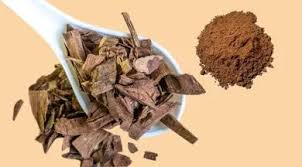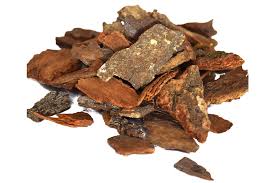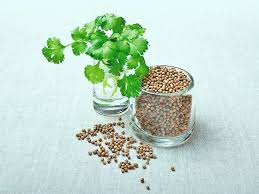

Bacterial and fungal infections are common skin and internal health issues affecting people across all age groups. Whether it’s a skin rash, ringworm, yeast infection, or internal bacterial overgrowth, these infections can be uncomfortable and recurring. While modern medicine offers antibiotics and antifungal creams, they often come with side effects and may weaken immunity over time. At dirghaanshi, we explore how ancient Jadi Butiyan (Ayurvedic herbs) can offer safe, natural, and long-lasting solutions for treating bacterial and fungal infections without harming the body’s natural balance.
Long Description
Understanding Bacterial & Fungal Infections
Bacterial infections are caused by harmful bacteria entering the body, leading to conditions like boils, abscesses, throat infections, or UTIs. Fungal infections are usually caused by fungi like Candida, Tinea, or Aspergillus, and affect areas such as the skin, nails, scalp, or genitals.
Symptoms include:
Itching or burning sensation
Rashes or red patches
Pus or discharge
Swelling and irritation
Natural herbs or Jadi Buti, used for centuries in Ayurveda, provide antimicrobial, antifungal, and immune-boosting benefits that help fight infections effectively and safely.
Top Jadi Butiyan for Treating Bacterial & Fungal Infections Naturally
- Neem (Azadirachta indica)
Neem is one of the most powerful antiseptic and antibacterial herbs in Ayurveda.
Benefits:
Kills bacteria and fungus on skin and internally
Purifies blood and detoxifies the body
Heals wounds and prevents recurrence
How to use: Neem leaf paste or neem oil can be applied on skin infections. Neem tea helps internal cleansing.
- Turmeric (Haldi)
Turmeric is known for its strong antibacterial, antifungal, and anti-inflammatory properties due to curcumin.
Benefits:
Reduces swelling, pain, and redness
Fights internal and external infections
Boosts immunity and speeds up healing
How to use: Mix turmeric powder with warm water or honey. Apply as a paste or drink golden milk.
- Tulsi (Holy Basil)
Tulsi is revered in Ayurveda as a sacred herb with strong antibacterial and antifungal properties.
Benefits:
Fights respiratory and skin infections
Builds immunity against pathogens
Relieves fungal itch and inflammation
How to use: Chew raw Tulsi leaves daily or apply Tulsi extract on affected areas.
- Manjistha (Rubia cordifolia)
Manjistha helps cleanse the blood and clear toxins that often lead to skin infections.
Benefits:
Reduces skin inflammation
Supports liver detoxification
Combats bacterial overgrowth in the gut
How to use: Drink Manjistha powder with warm water or apply as paste.
- Giloy (Guduchi)
Giloy is a powerhouse for strengthening the immune system and fighting recurring infections.
Benefits:
Antibacterial and antifungal activity
Helps with skin boils, UTIs, and sinus infections
Improves white blood cell function
How to use: Consume Giloy juice or decoction daily.
- Garlic (Lahsun)
Garlic is a natural antibiotic and antifungal agent, particularly effective against Candida.
Benefits:
Clears yeast and bacterial infections
Detoxifies gut and liver
Reduces infection-induced fatigue
How to use: Eat raw garlic or use garlic-infused oil for topical use.
- Tea Tree Oil (Melaleuca)
Though not native to India, Tea Tree Oil is widely accepted in Ayurvedic-inspired remedies.
Benefits:
Kills fungi and bacteria on skin
Treats dandruff, acne, and athlete’s foot
Prevents reinfection
How to use: Mix 2–3 drops with a carrier oil and apply on the affected area.
How Jadi Buti Works Against Infections
These herbs work in three key ways:
Killing Pathogens – Many Jadi Butiyan contain natural compounds like alkaloids, flavonoids, and tannins that destroy harmful microbes.
Boosting Immunity – They strengthen the body’s ability to resist and recover from infections.
Detoxifying the Body – Most of these herbs purify blood and remove internal toxins that trigger infections.
How to Use Jadi Buti Safely and Effectively
Topical Use: Mix neem, turmeric, and tea tree oil for an herbal antifungal cream.
Internal Use: Drink decoctions of Tulsi, Giloy, or Manjistha for internal infections.
Bath Soaks: Add neem leaves and turmeric to your bath to soothe skin infections.
Face Packs: For fungal acne, use a mixture of neem, sandalwood, and rose water.
Dietary & Lifestyle Tips for Infection Prevention
Avoid sugar and refined carbs (they feed fungal infections)
Include herbs and spices like turmeric and garlic in meals
Wear loose, breathable clothes to prevent fungal growth
Keep skin dry and clean, especially in folds
Manage stress through yoga and meditation – stress weakens immunity
Precautions
Always do a patch test before applying herbs to skin.
Consult an Ayurvedic expert before taking herbs if you are pregnant or on medication.
Use only pure and organic Jadi Butiyan for best results.
Conclusion
Nature provides powerful herbal remedies in the form of Jadi Butiyan that can effectively treat and prevent bacterial and fungal infections without side effects. From neem and turmeric to Giloy and Tulsi, these Ayurvedic herbs not only eliminate the root cause but also build long-term immunity. By integrating these remedies into your lifestyle, you can maintain a healthy, infection-free body and skin. Trust dirghaanshi to guide you toward ancient, natural solutions that work in harmony with your body.