






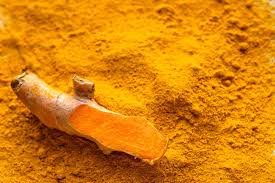

Kaali Haldi, or black turmeric, has been used in traditional Indian medicine for centuries due to its potent antimicrobial, anti-inflammatory, and wound-healing properties. From minor cuts and scrapes to small abrasions, Kaali Haldi can accelerate the natural healing process and prevent infections. Its bioactive compounds help in tissue regeneration and reduce inflammation, making it a trusted remedy in households practicing Ayurveda. This article explores how Kaali Haldi can be effectively used for wound care, traditional applications, precautions, and tips for safe usage.
Long Description:
Understanding the Healing Properties of Kaali Haldi:
Kaali Haldi contains curcumin and other bioactive compounds with natural antimicrobial and anti-inflammatory effects.
These properties make it effective in preventing infection, reducing swelling, and accelerating tissue repair.
Its antioxidant content helps neutralize free radicals at the wound site, supporting faster healing and minimizing scarring.
Benefits of Kaali Haldi for Cuts and Wounds:
Antimicrobial Action: Helps prevent bacterial growth in minor cuts and abrasions.
Anti-Inflammatory Effects: Reduces redness, swelling, and irritation at the wound site.
Faster Healing: Promotes tissue regeneration and minimizes recovery time.
Scar Prevention: Antioxidant properties help reduce the risk of noticeable scars.
Pain Relief: Offers mild analgesic effects for minor wounds or abrasions.
Traditional Methods to Apply Kaali Haldi for Wound Care:
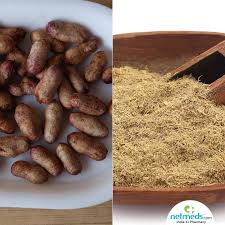
Kaali Haldi Paste: Mix Kaali Haldi powder with clean water or coconut oil to form a smooth paste. Apply gently on the wound and cover with a sterile bandage.
Kaali Haldi and Honey Paste: Combining Kaali Haldi with honey enhances antimicrobial effects and keeps the wound moist for faster healing.
Oil-Based Application: Mix Kaali Haldi with sesame or coconut oil to create a soothing topical remedy that reduces inflammation and supports tissue repair.
Step-by-Step Guide for Safe Application:
Clean the wound thoroughly with mild water or saline solution before applying Kaali Haldi.
Apply a thin layer of paste or oil directly to the affected area.
Cover with a sterile dressing or gauze to protect from external contaminants.
Reapply 1–2 times daily, depending on the severity of the wound.
Monitor for signs of infection, such as pus, severe redness, or prolonged pain. Seek medical advice if symptoms persist.
Combining Kaali Haldi with Other Herbal Remedies:
Neem: Enhances antibacterial effects and promotes faster healing.
Aloe Vera: Soothes inflammation and supports tissue repair.
Tulsi (Holy Basil): Reduces infection risk and accelerates recovery.
Coconut Oil: Acts as a carrier and provides additional moisturizing benefits to prevent dry or cracked skin.
Precautions and Safety Tips:
Avoid using Kaali Haldi on deep, large, or heavily bleeding wounds; seek professional medical care in such cases.
Perform a patch test for individuals with sensitive skin to prevent allergic reactions.
Use high-quality, organic Kaali Haldi to avoid contamination or impurities.
Clean hands and utensils thoroughly before preparing and applying the paste to maintain hygiene.
Benefits of Kaali Haldi in Daily Minor Injury Care:
Effective for small cuts, scrapes, insect bites, and burns.
Reduces risk of infection in minor household injuries.
Provides a natural alternative to chemical-based antiseptics for mild wounds.
Promotes gentle and safe healing for children and adults alike when used properly.
Supporting Lifestyle Practices for Faster Healing:
Maintain a balanced diet rich in protein, vitamin C, and zinc to support tissue repair.
Keep the wound clean and dry, changing dressings regularly.
Avoid touching or scratching the wound to prevent contamination.
Stay hydrated to support overall cellular repair and immune function.
Kaali Haldi for Scar Management Post-Healing:
After the wound has healed, applying a Kaali Haldi and coconut oil mixture can help reduce scar visibility.
Regular gentle massage of the healed area improves blood flow and supports tissue remodeling.
Combine with natural moisturizers like almond or sesame oil for enhanced skin recovery.
Conclusion:
Kaali Haldi is a trusted natural remedy for minor cuts and wounds, offering antimicrobial, anti-inflammatory, and tissue-healing benefits. Its traditional use in Ayurveda highlights its effectiveness in accelerating wound healing and preventing infections. By preparing simple pastes with water, honey, or oils and following safe application methods, Kaali Haldi can be incorporated into everyday wound care routines. When combined with proper hygiene, other herbal allies, and supportive dietary practices, it provides a holistic approach to minor injury management. However, for severe injuries, professional medical care should always be sought. The enduring value of Kaali Haldi in traditional medicine demonstrates the potential of natural remedies to complement modern health practices for safe and effective wound care.