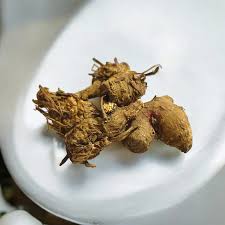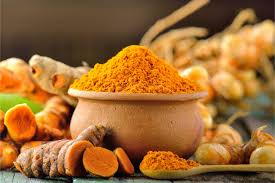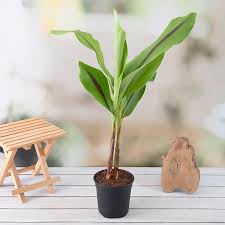







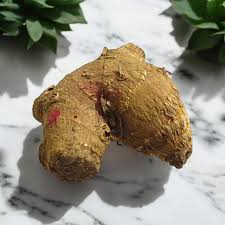

Kaali Haldi, or black turmeric, has been revered in Indian culture for centuries, not only for its medicinal and wellness properties but also for its significance in traditional festivals and rituals. Known for its auspicious and purifying qualities, Kaali Haldi plays a vital role in religious ceremonies, seasonal celebrations, and cultural rituals across India. This article explores the historical and cultural importance of Kaali Haldi, its uses in various festivals, and its symbolic and practical significance in traditional practices.
Long Description:
Cultural Significance of Kaali Haldi
Kaali Haldi is considered a sacred herb in many Indian communities, symbolizing purity, protection, and prosperity.
Its deep color and unique aroma make it an integral part of rituals aimed at warding off negative energy and invoking blessings.
Traditionally, it is used in festivals, weddings, and religious ceremonies to mark auspicious beginnings.
Kaali Haldi in Festivals
a. Diwali – Festival of Lights
Kaali Haldi is used in Diwali rituals to purify the home and promote well-being.
Powdered Kaali Haldi is often mixed with water to create a cleansing paste for doorways, entrances, or sacred spaces.
Symbolically, it represents prosperity, protection from evil, and a fresh start for the new year.
b. Holi – Festival of Colors
Though vibrant colors dominate Holi celebrations, Kaali Haldi is used in traditional rituals before the color festivities.
It is part of turmeric-based pastes applied in pre-Holi ceremonies for skin nourishment and purification.
This practice also emphasizes the protective and healing properties of Kaali Haldi.
c. Karva Chauth and Other Women-Centric Rituals
Kaali Haldi is used in rituals that focus on marital harmony, fertility, and family well-being.
Women apply a paste made of Kaali Haldi, along with other natural ingredients, as part of the ceremonial beautification and protective rites.
Kaali Haldi in Wedding Rituals
Known as a powerful natural cleanser and skin enhancer, Kaali Haldi is sometimes included in pre-wedding ceremonies.
Brides may have Kaali Haldi paste applied to their skin for glow, protection, and purification before the wedding day.
It is believed to ward off negative energies and ensure a harmonious married life.
Ritualistic Uses of Kaali Haldi
Housewarming Ceremonies: Sprinkled around the house to purify the environment.
Temple Offerings: Used as a sacred ingredient in offerings to deities.
Meditation and Prayer: The aroma of Kaali Haldi is considered calming, aiding focus and mindfulness during prayers.
Health and Spiritual Benefits in Rituals
Purification: Symbolizes cleansing of mind, body, and environment.
Protection: Believed to protect against evil forces and negative energies.
Healing: Anti-inflammatory and antioxidant properties contribute to physical wellness when applied in ceremonial pastes or consumed in small amounts.
Auspicious Beginnings: Inclusion in rituals is thought to bring prosperity, health, and good fortune.
Modern Integration in Festivals
Many contemporary households still use Kaali Haldi in festival rituals, often combining it with other natural ingredients like sandalwood, rose petals, or rice grains.
It can also be incorporated into decorative practices, such as rangoli designs and ceremonial crafts, maintaining cultural heritage while adding aesthetic value.
DIY Ritual Preparations with Kaali Haldi
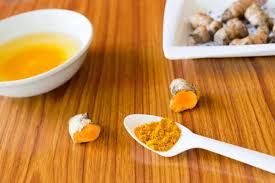
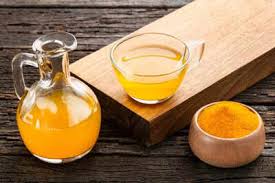
Sacred Paste: Mix Kaali Haldi powder with water or milk to create a paste for ceremonial application.
Decorative Use: Sprinkle Kaali Haldi in patterns or as part of festive rangoli for protection and beauty.
Offerings: Combine with flowers, grains, and natural scents to offer to deities during prayers.
Precautions in Ritual Use
Kaali Haldi may stain clothes and surfaces, so handle carefully.
Conduct minor skin tests before applying in pastes to avoid irritation.
Store Kaali Haldi in a dry, cool place to maintain potency for ceremonial use.
Significance of Kaali Haldi in Maintaining Tradition
Beyond its medicinal benefits, Kaali Haldi helps preserve cultural heritage and traditional practices.
Its continued use in festivals, rituals, and ceremonies bridges generations, keeping ancestral knowledge alive.
Acts as a reminder of the importance of natural ingredients in holistic living and spiritual practice.
Conclusion
Kaali Haldi is much more than a medicinal herb; it is a symbol of purity, protection, and prosperity in traditional Indian culture. From Diwali and Holi to weddings and temple rituals, Kaali Haldi holds a sacred place in ceremonies that celebrate life, well-being, and spiritual connection. By understanding its cultural and practical significance, modern households can continue to integrate Kaali Haldi into festivals and rituals, preserving tradition while enjoying its natural health and spiritual benefits. Its enduring presence highlights the timeless value of nature in human life, spirituality, and celebration.