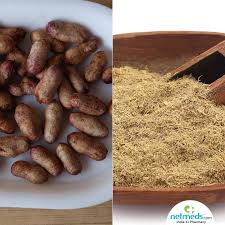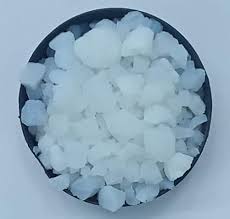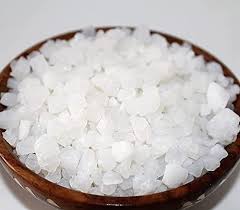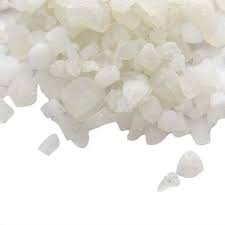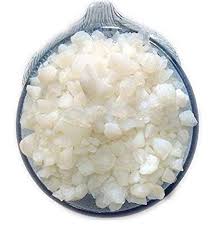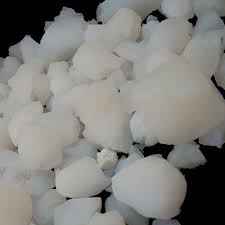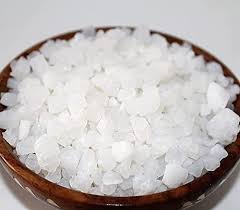


When selling herbal products like Banslochan powders, capsules, or skincare blends, it is not enough to focus only on quality and authenticity. Proper packaging compliance is equally important to ensure product safety, customer trust, and legal approval. Packaging in the herbal industry is more than just wrapping—it involves regulatory labeling, eco-friendly material choices, storage considerations, and compliance with government guidelines. For Banslochan-based products, correct packaging not only boosts brand reputation but also ensures long-term profitability. This article provides a complete guide to packaging compliance for Banslochan sellers and herbal entrepreneurs.
Long Description
1. Why Packaging Compliance Matters in Herbal Business
- Packaging protects the purity and quality of delicate herbal products like Banslochan.
- Compliance ensures adherence to legal standards such as FSSAI, AYUSH, or FDA requirements.
- Proper labeling builds consumer trust by providing transparency.
- Helps brands avoid penalties, recalls, and consumer complaints.
- Eco-conscious packaging appeals to modern, sustainable buyers.
2. Key Packaging Considerations for Banslochan-Based Products
- Material Choice – Glass jars, food-grade plastic, aluminum tins, or biodegradable paper.
- Protection from Moisture – Since Banslochan is silica-rich, it must be kept dry.
- UV Protection – Dark or opaque containers to preserve potency.
- Eco-Friendly Options – Bamboo-based, recycled paper, or biodegradable materials to align with natural branding.
- Tamper-Proof Seals – Essential for consumer safety and authenticity.
3. Regulatory Compliance for Banslochan Packaging
a) FSSAI Guidelines (India)
- Mandatory for edible Banslochan products (powders, capsules, tonics).
- Labels must include:
- Product name
- Nutritional facts
- Ingredients list
- Net quantity
- Manufacturing and expiry dates
- FSSAI license number
- Allergen warnings
b) AYUSH Compliance
- For herbal and Ayurvedic remedies.
- Labels must specify:
- Botanical name
- Dosage instructions
- Storage guidelines
- Safety disclaimers
c) International Standards (for Export)
- FDA (USA) – Requires supplement facts, caution labels, and GMP certification.
- EU Regulations – Focus on safety, eco-packaging, and truthful claims.
- ISO & GMP certifications boost trust for global sales.
4. Mandatory Labeling Requirements
Every Banslochan-based product must carry clear and standardized information:
- Product type (Capsule, Powder, Cream, Balm, etc.)
- Source (Natural / Herbal / Ayurvedic)
- Ingredient breakdown with percentage
- Usage and dosage instructions
- Batch number and manufacturing details
- Expiry or best-before date
- Storage instructions
- Safety warnings (pregnancy, children, allergies)
- Certification logos (FSSAI, Organic, GMP, Eco-Friendly)
5. Designing Consumer-Friendly Labels
- Use simple fonts and readable colors for easy understanding.
- Highlight benefits like “100% Herbal,” “Chemical-Free,” or “Eco-Friendly.”
- Use QR codes for digital authentication and product details.
- Include eco-symbols like recyclable, biodegradable, cruelty-free.
- Attractive designs improve shelf appeal and online presence.
6. Common Packaging Mistakes to Avoid
- Not mentioning expiry date or dosage.
- Using non-food-grade plastics that may contaminate products.
- Making false health claims without approvals.
- Lack of tamper-proof seals.
- Ignoring export regulations when selling globally.
7. Packaging Compliance Checklist for Herbal Sellers
- Choose eco-friendly, food-grade, or pharmaceutical-grade material.
- Add mandatory information (ingredients, expiry, batch number).
- Follow AYUSH/FSSAI/FDA guidelines based on target market.
- Use airtight and moisture-proof containers for Banslochan.
- Apply tamper-proof seals for authenticity.
- Add eco-certifications and QR codes for transparency.
8. Business Benefits of Compliant Packaging
- Builds trust and credibility among customers.
- Reduces legal risks and penalties.
- Enhances brand reputation in herbal markets.
- Increases chances of export opportunities.
- Creates a premium product image with eco-friendly packaging.
9. Future Trends in Herbal Packaging
- Biodegradable bamboo containers for eco-conscious buyers.
- Smart packaging with QR codes and NFC tags for authenticity checks.
- Minimalist packaging to reduce carbon footprint.
- Transparent labeling that educates consumers about Ayurveda and herbs.
Conclusion
For herbal entrepreneurs dealing with Banslochan-based products, packaging compliance is not just a formality but a business necessity. Proper packaging preserves product quality, builds consumer trust, and ensures legal safety. By focusing on eco-friendly materials, accurate labeling, and regulatory approvals, sellers can position their brand as authentic and reliable. As the herbal and Ayurveda industry continues to expand, those who invest in compliant packaging today will secure a strong market presence tomorrow.