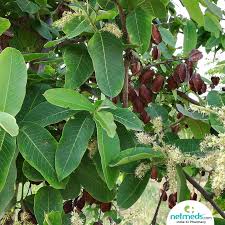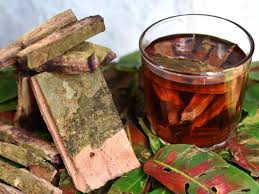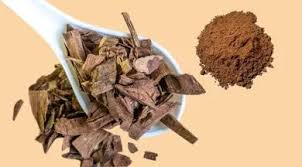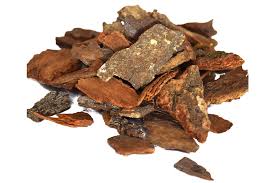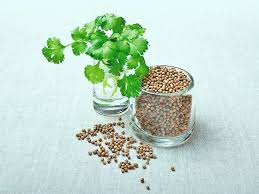
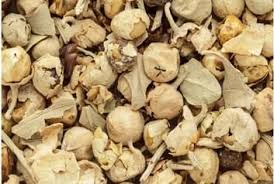

Wild Paneer Dodi is an indigenous leafy vegetable known for its nutritional richness and cultural significance. Found in forests and uncultivated areas, it provides vital vitamins, minerals, and antioxidants. However, overharvesting and habitat destruction have put pressure on its natural populations. Practicing sustainable harvesting techniques is essential to ensure the continued availability of Wild Paneer Dodi for future generations. By understanding its growth patterns, selecting appropriate harvesting methods, and promoting regenerative practices, both gardeners and foragers can contribute to conservation while enjoying this nutritious plant. This article offers a comprehensive guide on sustainable harvesting, post-harvest handling, and ecological practices for Wild Paneer Dodi.
Long Description:
Importance of Sustainable Harvesting:
Biodiversity Preservation: Protects natural populations and prevents the extinction of native plants.
Soil and Habitat Protection: Reduces disruption of the natural ecosystem, maintaining soil fertility and structure.
Nutritional Continuity: Ensures continued availability of nutrient-rich leaves for human consumption.
Cultural Significance: Supports traditional practices and preserves indigenous knowledge.
Identifying Wild Paneer Dodi in Natural Habitats:
Physical Characteristics: Broad, tender leaves with a slightly bitter taste; a compact growth habit in natural areas.
Optimal Harvest Time: Young leaves are more nutritious and tender; typically harvested in early morning when the plant is fresh.
Growth Conditions: Thrives in shaded or semi-shaded areas, often near forest edges or moist, well-draining soil.
Harvesting Techniques for Sustainability:
Selective Picking: Take only 30–50% of leaves from each plant to allow regeneration. Avoid uprooting entire plants.
Rotation Harvesting: Rotate collection areas to prevent overharvesting from a single location.
Tool Use: Use clean, sharp knives or scissors to minimize damage to the plant and surrounding vegetation.
Avoid Disturbance: Limit trampling around plants to preserve soil and neighboring flora.
Maintaining Plant Health During Harvest:
Pruning: Remove only mature or outer leaves, leaving central growth points intact.
Spacing Consideration: Maintain adequate spacing between harvested plants to avoid competition for resources.
Avoid Overharvesting: Excessive leaf removal can weaken plants and reduce future yields.
Post-Harvest Handling of Wild Paneer Dodi:
Cleaning: Rinse gently with water to remove soil, insects, and debris.
Storage: Keep leaves in perforated bags or containers in a cool, shaded area to maintain freshness.
Consumption: Use harvested leaves within 2–3 days for optimal nutrient retention.
Preservation: Leaves can be blanched and frozen for long-term storage while maintaining nutritional value.
Promoting Regeneration and Cultivation:
Seed Collection: Harvest seeds from mature plants selectively for cultivation in home gardens or community farms.
Propagation: Plant seeds in well-prepared soil with organic compost for sustainable growth.
Habitat Restoration: Replant harvested areas with native plants to support soil health and biodiversity.
Ecological Benefits of Sustainable Harvesting:
Supports Wildlife: Leaves and seeds provide food for birds, insects, and other organisms.
Soil Fertility: Proper harvesting prevents soil erosion and supports nutrient cycling.
Water Conservation: Maintaining plant cover reduces evaporation and retains soil moisture.
Carbon Sequestration: Healthy wild plants contribute to carbon absorption and environmental balance.
Community and Educational Engagement:
Awareness Programs: Educate local communities about the importance of sustainable harvesting.
Workshops: Conduct hands-on training on plant identification, responsible harvesting, and regenerative practices.
Seed Sharing: Encourage the exchange of seeds to expand cultivation of Wild Paneer Dodi in home and community gardens.
Challenges and Solutions:
Overharvesting Pressure: Implement community-based guidelines to regulate collection.
Habitat Loss: Advocate for conservation of forested and natural areas where Wild Paneer Dodi grows.
Climate Variability: Adapt harvesting schedules based on seasonal changes and rainfall patterns.
Pest Infestation: Use organic pest management techniques to protect natural populations without chemicals.
Conclusion:
Sustainable harvesting of Wild Paneer Dodi is crucial for preserving biodiversity, maintaining ecological balance, and ensuring the continued availability of this nutritious plant. By practicing selective picking, rotating harvest areas, and promoting regeneration through seed collection and propagation, foragers and gardeners can enjoy the benefits of Wild Paneer Dodi while safeguarding its natural populations. Educating communities, adhering to responsible harvesting practices, and integrating cultivation in home or community gardens further enhance sustainability. Protecting indigenous herbs like Wild Paneer Dodi ensures that future generations can continue to enjoy their nutritional, ecological, and cultural benefits, making sustainable harvesting an essential practice in responsible gardening and conservation.