
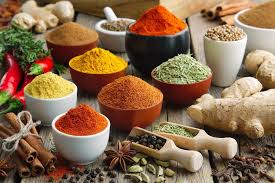

At Dirghaanshi, we believe in the power of nature’s healing remedies, particularly the incredible benefits of Jadi Buti (herbs) in Ayurveda. Ayurveda, the ancient Indian system of medicine, has long relied on the healing properties of plants to restore balance to the body, mind, and spirit. In this ultimate guide, we will explore Jadi Buti—the medicinal herbs that form the foundation of Ayurvedic healing—and highlight their diverse uses in promoting overall well-being. Whether you’re looking to enhance your immunity, improve skin health, or alleviate stress, these sacred herbs offer natural solutions for modern health issues.
Long Description:
Jadi Buti is a term used to refer to medicinal plants that are used extensively in Ayurveda for their therapeutic properties. Ayurveda, meaning “science of life,” is a holistic system of medicine that has been practiced for over 5,000 years. It emphasizes balance within the body and uses natural herbs, spices, and therapies to promote health and wellness.
In Ayurvedic medicine, herbs are classified based on their healing properties, taste, and action on the body’s doshas (Vata, Pitta, and Kapha). Jadi Buti has been revered for its ability to address a wide range of health issues, from boosting immunity and improving digestion to promoting mental clarity and soothing the nervous system.
Here’s a deeper look into some key Jadi Buti and their uses in Ayurveda:
Ashwagandha (Withania somnifera):
Known as the “Indian Ginseng,” Ashwagandha is one of the most important adaptogenic herbs in Ayurveda. It helps combat stress, promotes vitality, and enhances mental clarity. It is also used to boost energy levels, improve sleep, and support overall immune health. Ashwagandha is commonly used in Ayurvedic formulations to balance Vata and Pitta doshas.
Tulsi (Holy Basil):
Tulsi is considered sacred in Ayurvedic healing and is known for its ability to purify and rejuvenate the body. It helps detoxify the body, reduce stress, and improve digestion. Its antibacterial, antifungal, and antiviral properties make it ideal for boosting the immune system. Tulsi is particularly beneficial for those with Kapha imbalances and is also used in many Ayurvedic teas.
Brahmi (Bacopa monnieri):
Brahmi is known for its brain-boosting benefits, enhancing memory, focus, and concentration. It is used in Ayurveda to calm the mind and balance the nervous system. It is considered an excellent herb for calming Vata dosha and is commonly used in Ayurvedic practices for improving mental clarity and reducing anxiety.
Triphala:
Triphala is a powerful Ayurvedic herbal blend consisting of three fruits—Amalaki, Bibhitaki, and Haritaki. This trio works together to cleanse the digestive system, promote healthy bowel movements, and detoxify the body. Triphala is commonly used to balance all three doshas and is considered one of the most potent and widely used remedies in Ayurveda for digestive health.
Neem (Azadirachta indica):
Neem is highly revered in Ayurveda for its cleansing and purifying properties. It is used for detoxification, skin health, and as an anti-inflammatory agent. Neem is often applied in Ayurvedic skincare products to treat acne, rashes, and other skin disorders due to its antimicrobial properties.
Ginger (Zingiber officinale):
Ginger is a common Ayurvedic herb that is known for its warming properties. It helps improve digestion, reduce nausea, and alleviate cold symptoms. It is used in Ayurveda to balance Kapha dosha and to enhance digestion by stimulating the secretion of digestive enzymes.
Saffron (Crocus sativus):
Saffron is known for its medicinal properties in Ayurveda, especially its role in promoting emotional balance and improving skin health. It has antioxidants that help improve complexion, reduce inflammation, and support overall wellness. Saffron is especially beneficial for Pitta dosha imbalances.
Ashoka (Saraca asoca):
The Ashoka tree is considered sacred in Ayurveda and is particularly useful for women’s health. It is used to treat conditions like menstrual disorders, uterine health, and to reduce inflammation. Ashoka has powerful properties for balancing Pitta dosha, especially for conditions related to stress and hormonal imbalances.
Licorice (Glycyrrhiza glabra):
Licorice is widely used in Ayurveda to treat a range of conditions, from digestive issues to respiratory conditions. It has anti-inflammatory properties that soothe the stomach lining, improve mucus production, and support lung health. It is especially helpful for balancing Vata and Pitta doshas.
Shatavari (Asparagus racemosus):
Shatavari is a key herb for women’s health in Ayurveda. It is considered a tonic for the reproductive system, improving fertility, supporting hormonal balance, and reducing symptoms of menopause. It is also used to promote overall vitality and strength, particularly for women in their middle age.
Conclusion:
Jadi Buti plays a vital role in the Ayurvedic healing system, offering natural remedies for a variety of health conditions. From promoting mental clarity and physical well-being to enhancing immunity and balancing the body’s energies, these powerful herbs provide a holistic approach to wellness. At Dirghaanshi, we are committed to bringing you the best Jadi Buti products to support your journey towards better health, naturally.