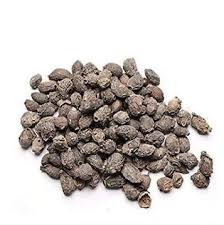







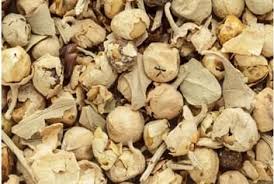

In the heart of every Indian household lies a treasure trove of natural wisdom—remedies passed from one generation to another, rooted in Ayurveda, folk traditions, and seasonal rhythms. These traditional herbal cures not only healed everyday ailments but also promoted holistic health, balancing mind, body, and spirit. At the center of many such remedies is a humble yet powerful herb—Paneer Dodi, also known as Paneer Phool or Withania coagulans.
Used by grandmothers and herbal healers across generations, Paneer Dodi has long been valued for its remarkable benefits in controlling blood sugar, supporting liver function, and cleansing the body. Today, as modern wellness circles rediscover ancient cures, Paneer Dodi stands as a perfect example of how traditional herbs can meet contemporary health needs.
This article from Dirghaanshi explores traditional herbal remedies, especially those that feature Paneer Dodi, shedding light on their historical usage, preparation methods, and scientific relevance today.
Long Description
Why Traditional Remedies Still Matter
Before modern pharmaceuticals existed, Indian households relied on home-grown herbs, roots, and flowers to treat everything—from digestive discomfort to chronic illnesses. These remedies:
Were free from side effects
Aligned with seasonal needs and body types (Doshas)
Treated root causes, not just symptoms
Focused on long-term vitality, not quick fixes
Such remedies are now being validated by modern science and are being reintroduced into natural health and wellness routines.
Paneer Dodi: A Generational Herbal Healer
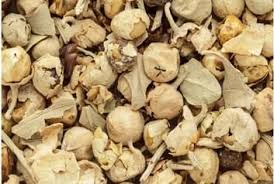
Botanical Name: Withania coagulans
Common Names: Paneer Dodi, Paneer Phool, Indian Rennet
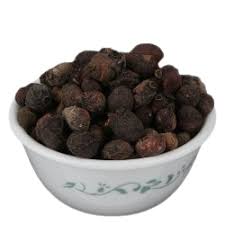
Used Part: Dried flower buds (cotton-like)
Known for its bitter taste and cooling properties, Paneer Dodi was a staple in traditional kitchens and medicine chests, especially in rural India. Elders often recommended it for:
Stabilizing blood sugar
Treating mild fevers and infections
Improving digestion
Detoxifying the liver and kidneys
Strengthening immunity in changing seasons
Paneer Dodi represents the legacy of Ayurveda in daily life, bringing healing directly into the kitchen.
Traditional Uses of Paneer Dodi Passed Down Through Generations
- Diabetes and Blood Sugar Management
How elders used it:
Dried flowers were soaked overnight in water and consumed early morning on an empty stomach.
Why:
This practice helped in naturally lowering and stabilizing blood sugar levels.
Ayurvedic Explanation:
Bitter (Tikta) taste helps cleanse and balance Kapha
Improves insulin sensitivity
Reduces sugar absorption in the intestines
- Seasonal Detox Remedy
How it was used:
Paneer Dodi was consumed with Triphala or neem leaves during seasonal transitions (e.g., winter to spring) to cleanse the body.
Why:
To eliminate accumulated toxins (Ama), support liver function, and prevent seasonal infections.
Ayurvedic Relevance:
Promotes Agni (digestive fire)
Clears toxins from the liver and gut
Reduces Pitta-related inflammation
- Liver and Kidney Cleanser
Traditional method:
Paneer Dodi decoction was taken weekly to support the body’s internal cleansing processes.
Benefits Observed:
Improved urine flow
Reduced bloating and water retention
Increased appetite
Scientific View:
Paneer Dodi has hepatoprotective and mild diuretic properties, making it excellent for organ detox.
- Support for Weak Digestion
How elders advised:
Powdered Paneer Dodi was mixed with warm water or ghee and given after meals.
Purpose:
To reduce bloating, gas, and sluggish digestion.
Modern Insight:
Withania coagulans helps stimulate digestive enzymes and bile, improving nutrient absorption.
- Immunity and Inflammation Relief
Folk practice:
Used during fever recovery, fatigue, or joint pain episodes.
Why:
Strengthens the immune system
Reduces systemic inflammation
Helps combat infections
This traditional practice aligns with Paneer Dodi’s known antioxidant and anti-inflammatory compounds, now backed by scientific research.
- Remedy for Mild Infections and Skin Issues
Home remedy use:
The decoction or paste was applied externally or consumed to purify blood and support skin healing.
Outcomes Noticed:
Fewer acne breakouts
Faster healing of wounds and skin allergies
Ayurvedic Context:
Paneer Dodi’s Pitta-balancing effect helps reduce inflammation, itching, and heat-related skin problems.
Traditional Preparation Methods of Paneer Dodi
- Overnight Infused Water
Soak 7–10 buds in 1 glass of water overnight
Mash and strain the water in the morning
Drink on an empty stomach
Use: Daily remedy for blood sugar control and liver cleansing
- Decoction (Kadha)
Boil Paneer Dodi buds with Tulsi, Ginger, and Fennel
Let it simmer for 10 minutes
Strain and drink warm
Use: Seasonal detox, cold and flu prevention
- Powdered Form
Dried Paneer Dodi ground into fine powder
Mixed with warm water or honey before meals
Use: Digestive tonic, skin support
- Combined with Other Herbs
Traditional combinations included:
Paneer Dodi + Neem (for sugar balance and skin purification)
Paneer Dodi + Methi Seeds (for diabetes and hormonal balance)
Paneer Dodi + Amla (for immunity and detox)
Lessons from Grandmothers: How to Use Herbal Wisdom Responsibly
Consistency is key: Herbs don’t work like pills—they require time
Avoid overuse: Balance and moderation are essential
Use with intention: Know why and when you’re taking an herb
Pay attention to the body’s signals: Traditional healing is intuitive
These timeless lessons keep us connected to our roots and ensure that herbal remedies remain safe and effective.
Scientific Validation of Traditional Knowledge
Today, researchers are studying Paneer Dodi and confirming its ancient benefits:
Studies show it lowers blood glucose in animal and human models
It contains withanolides, flavonoids, and alkaloids that support liver and metabolic function
Recognized for antioxidant and anti-inflammatory actions
This scientific interest supports the integration of traditional remedies in modern wellness.
Dirghaanshi’s Commitment to Heritage Healing
At Dirghaanshi, we believe in preserving and promoting time-tested herbal remedies. Our content is rooted in:
Authentic Ayurvedic wisdom
Traditional household practices
Modern research-backed insights
By featuring herbs like Paneer Dodi, we aim to revive the connection between health and heritage, helping you embrace a lifestyle that is natural, seasonal, and sustainable.
Precautions with Traditional Herbs Like Paneer Dodi
Avoid during pregnancy or lactation without guidance
Monitor if on medications for diabetes or BP
Use pure herbs—avoid adulterated or artificially processed versions
Always consult an Ayurvedic expert for chronic conditions
Conclusion
Paneer Dodi is not just a medicinal herb—it is a symbol of generations of healing wisdom, passed down lovingly through families and communities. When used with understanding and care, it can transform your wellness journey, providing gentle but effective support for blood sugar, liver health, digestion, and immunity.
By reconnecting with traditional herbal remedies, we don’t just heal our bodies—we also honor the ancestral knowledge that has nourished lives for centuries. Let Dirghaanshi be your companion in this journey—bringing together timeless healing and modern awareness.