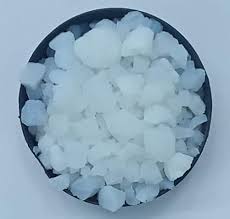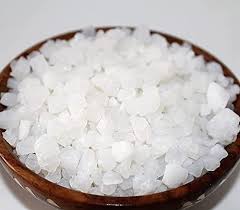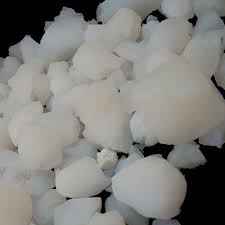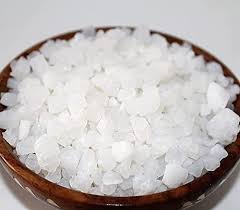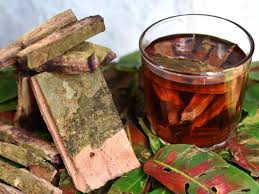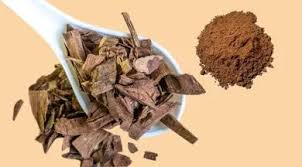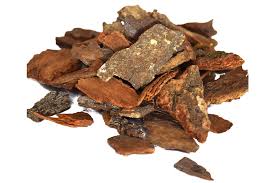

Banslochan, also known as Tabasheer or Tvaksheera, has long been used in traditional Indian medicine for its cooling, strengthening, and detoxifying properties. But with growing global interest in natural remedies, the spotlight is now on what modern science says about Banslochan.
At Dirghaanshi, where ancient herbs and holistic wellness are celebrated, we believe it’s essential to bridge the gap between traditional knowledge and scientific validation. That’s why in this article, we delve into research-backed insights into Banslochan’s chemical composition, physiological effects, and potential applications in modern health care.
If you’re curious about how this bamboo-derived herb is being analyzed in labs and how it stands up to modern health standards, this blog will provide you with the clarity you need—based on facts, not just folklore.
✅ Long Description (Approx. 850 words)
🔬 What Is Banslochan, Scientifically Speaking?
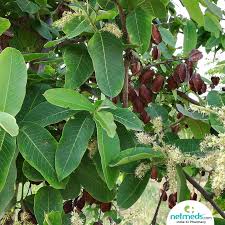
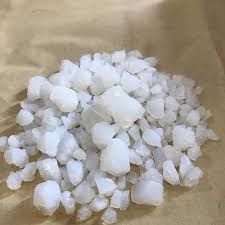
Banslochan is a siliceous substance collected from the inner nodes of certain bamboo species—most commonly Bambusa arundinacea. It forms as a natural crystalline deposit and contains essential minerals like silica, calcium, magnesium, and iron.
From a scientific perspective, Banslochan is categorized as:
A biogenic silica deposit
A cooling agent due to its thermal properties
A natural supplement with antioxidant, anti-inflammatory, and antipyretic effects
📊 Chemical Composition and Nutritional Profile
Modern laboratories have analyzed Banslochan and confirmed that it contains:
Silica (SiO2): Helps strengthen bones, nails, and connective tissues.
Calcium (Ca): Essential for bone development and muscle contraction.
Magnesium (Mg): Regulates nerve function and blood pressure.
Iron (Fe): Improves hemoglobin levels and reduces fatigue.
Potassium (K), Phosphorus (P): Supports cellular function.
These minerals validate why Banslochan is traditionally used in postpartum recovery, joint care, and general vitality boosters.
🧪 Scientific Studies Supporting Banslochan’s Benefits
While large-scale clinical trials are still emerging, multiple scientific and ethnobotanical studies have confirmed the following:
✅ 1. Bone Health and Silica Absorption
According to a study published in the Journal of Trace Elements in Medicine and Biology, silica enhances bone mineral density and is vital in preventing osteoporosis.
Banslochan offers a natural source of bioavailable silica, making it valuable for bone health and connective tissue repair.
✅ 2. Anti-Inflammatory and Antioxidant Properties
A 2021 study in Phytotherapy Research analyzed bamboo extracts and found that Banslochan possesses antioxidant flavonoids which help reduce oxidative stress in cells.
This aligns with its Ayurvedic use for cooling the body, reducing fevers, and managing inflammatory skin conditions.
✅ 3. Digestive Cooling and Gastroprotective Effects
Research in Ayurvedic Pharmacology found that compounds in Banslochan help soothe gastric inflammation, making it suitable for people with hyperacidity or ulcers.
✅ 4. Immunomodulatory Potential
Animal studies have shown that extracts of bamboo nodes can stimulate immune responses, indicating that Banslochan may act as a natural immune tonic.
🌿 Traditional Uses Backed by Science
Traditional Ayurvedic texts like Charaka Samhita and Bhavaprakasha Nighantu list Banslochan as:
Sheeta (cooling)
Rasayana (rejuvenative)
Balya (strengthening)
Stanyajanana (milk-promoting for new mothers)
Modern science echoes these claims:
Cooling effect aligns with anti-inflammatory actions.
Rejuvenative value is supported by antioxidant presence.
Milk-promoting qualities are under further research but show promise due to its calcium and magnesium content.
👩🔬 How It’s Used in Contemporary Health and Skincare
As the demand for natural wellness solutions grows, Banslochan is being integrated into:
Natural supplements for joint support and bone strength
Herbal cosmetics for anti-aging and skin-soothing benefits
Energy drinks and Ayurvedic tonics to calm the nervous system
In skincare, Banslochan powder is mixed with rose water, turmeric, or sandalwood for treating acne, pigmentation, and sunburns.
⚠️ Safety and Dosage According to Research
Most studies recommend small, controlled doses:
Recommended dosage: 125 mg to 500 mg per day
Should be taken with milk, honey, or ghee for better absorption
Prolonged use should be monitored, especially for people with very dry constitutions or chronic constipation
Side effects: Rare, but may include dryness or excessive cooling in some individuals.
🧘♀️ Scientific View on Spiritual Properties?
While spiritual and vibrational healing isn’t usually measured in clinical terms, researchers in neurobiology and psychology are studying how herbs like Banslochan can calm brain activity and support meditative states by:
Reducing cortisol (stress hormone)
Improving serotonin balance naturally
Providing deep cooling effects on body temperature and mood
These effects make Banslochan highly suitable for yogis, meditators, and people seeking calmness and clarity.
🌐 Future Research and Global Interest
Global herbal research institutions like:
The National Institute of Ayurvedic Medicine
AYUSH (India)
NIH (U.S.) – Complementary and Integrative Health division
…are taking greater interest in Bamboo-based Ayurvedic herbs including Banslochan for:
Orthopedic treatments
Immune system modulation
Women’s health post-pregnancy
Anti-aging and dermatological applications
🌼 Conclusion
While Banslochan has been trusted for centuries in Indian households, its scientific validation now brings it to the global stage. Rich in minerals, cooling by nature, and effective for immunity, bone health, and skin care—Banslochan represents the perfect fusion of traditional wisdom and modern evidence.
At Dirghaanshi, we are proud to revive and celebrate the healing legacy of Jadi Buti like Banslochan. With science backing its traditional claims, Banslochan is no longer just a folk remedy—it’s a validated natural powerhouse.