
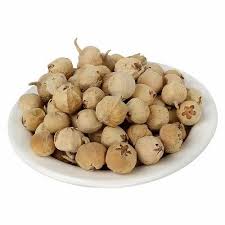

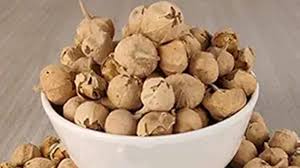
Paneer Phool, commonly known as cauliflower, has earned the title of the “Insulin Plant” in Ayurveda due to its remarkable potential in supporting blood sugar regulation. Rich in nutrients, antioxidants, and natural compounds that influence glucose metabolism, Paneer Phool is valued not just as a vegetable but as a therapeutic agent in managing diabetes and maintaining overall metabolic health. In this article, we explore why Paneer Phool is referred to as the insulin plant, its Ayurvedic properties, and how it can be incorporated into daily routines to support sugar balance naturally.
Long Description:
- The Ayurvedic Perspective of Paneer Phool:
- Paneer Phool is considered sweet (Madhura) and astringent (Kashaya) in taste, with a cooling energy (Shita Virya) that balances Pitta and Kapha doshas.
- Its qualities (Guna) are light (Laghu) and dry (Ruksha), making it easy to digest and supportive for metabolic health.
- These energetics make Paneer Phool ideal for balancing excess sugar and stabilizing blood glucose levels according to Ayurvedic principles.
- Nutritional Composition Supporting Sugar Control:
- High Fiber Content: Slows down glucose absorption and reduces post-meal blood sugar spikes.
- Vitamins and Minerals: Contains Vitamin C, K, B-complex vitamins, and minerals like magnesium and potassium that support insulin sensitivity.
- Antioxidants: Rich in compounds like glucosinolates and flavonoids, which reduce oxidative stress and protect pancreatic cells.
- Why Paneer Phool Is Called the “Insulin Plant”:
- Certain bioactive compounds in Paneer Phool enhance glucose uptake by cells and support natural insulin activity.
- Regular consumption helps regulate blood sugar levels, making it a valuable dietary intervention for prediabetes and type 2 diabetes.
- Ayurveda recognizes Paneer Phool as a mild hypoglycemic food, meaning it can lower elevated sugar levels safely when included as part of a balanced diet.
- Comparison with Other Ayurvedic Herbs for Sugar Control:
- Paneer Phool works synergistically with herbs like Fenugreek (Methi), Bitter Gourd (Karela), and Gymnema (Gudmar).
- While these herbs actively influence insulin activity, Paneer Phool acts as both a nutrient carrier and a supportive vegetable that enhances the effectiveness of these herbs.
- Its high fiber and low glycemic index complement the action of stronger herbal remedies.
- Practical Ways to Use Paneer Phool for Sugar Management:
- Steamed or Lightly Cooked: Preserves nutrients and keeps the dish low in calories.
- With Anti-Diabetic Herbs: Combine with fenugreek, bitter gourd, or cinnamon for enhanced sugar control.
- In Herbal Tonics or Soups: Use Paneer Phool as a base for mild herbal preparations to support metabolic balance.
- Regular Inclusion in Meals: Incorporate in curries, stir-fries, and salads to stabilize daily blood sugar levels.
- Health Benefits Beyond Sugar Control:
- Digestive Support: Fiber-rich Paneer Phool improves gut health and reduces constipation.
- Weight Management: Low-calorie, high-fiber content aids in maintaining healthy weight, indirectly supporting insulin sensitivity.
- Anti-Inflammatory Properties: Reduces inflammation, which is often associated with insulin resistance.
- Detoxification: Aids in cleansing the body of excess toxins, enhancing overall metabolic health.
- Precautions and Dosha Considerations:
- Best consumed fresh and lightly cooked to retain its cooling and digestive-friendly properties.
- Individuals with low digestive fire (Agni) should combine it with warming spices like cumin, ginger, or black pepper to enhance digestion.
- Moderate consumption is recommended for individuals with excess Kapha, as overconsumption of cruciferous vegetables can increase mucus formation.
- Conclusion:
Paneer Phool deserves its title as the “Insulin Plant” of Ayurveda due to its unique combination of bioactive compounds, fiber, and nutrient richness that support healthy blood sugar levels. Beyond its culinary versatility, it provides a natural, safe, and effective option for managing glucose levels, improving digestion, and promoting overall metabolic wellness. By incorporating Paneer Phool regularly, especially in combination with other anti-diabetic herbs, individuals can enjoy both the nutritional and therapeutic benefits of this powerful Ayurvedic vegetable, aligning with holistic health practices for sustainable wellness.
Related Posts
Kaali Haldi Face Wash: Benefits and How to Make It
Kaali Haldi (Black Turmeric) is a potent Ayurvedic herb known for its antibacterial, anti-inflammatory, antioxidant, and skin-brighteni...

Using Kaali Haldi to Manage Seasonal Allergies
Kaali Haldi (Black Turmeric) is a powerful Ayurvedic herb with natural anti-inflammatory, antioxidant, and immune-boosting properties. ...
Latest Research on Paneer Phool for Sugar Regulation
Managing blood sugar levels is a critical health concern for many individuals worldwide. Recent research highlights the potential of Pa...
Herbal Success Story: 90 Days with Paneer Phool
Paneer Phool has become a trusted herbal remedy in wellness routines, hair care, and skincare. This article shares the 90-day journey o...
How This Diabetic Patient Reduced Sugar Levels Naturally
Managing diabetes can be challenging, but with the right natural remedies and lifestyle adjustments, it is possible to reduce blood sug...

Interview with an Ayurvedic Doctor on Paneer Phool
Paneer Phool is gaining significant attention in the herbal and wellness industry due to its versatile applications in hair care, skinc...
Digital Marketing Tips for Selling Paneer Phool Online
With the growing popularity of herbal products, Paneer Phool has become a highly sought-after ingredient in the wellness and natural be...
Export Opportunities for Paneer Phool Products
The global demand for herbal and natural products is growing rapidly, and Paneer Phool has emerged as a sought-after ingredient due to ...
Rising Demand of Paneer Phool in Herbal Industry
The herbal industry has witnessed significant growth over the past decade due to the increasing consumer preference for natural, chemic...

Arjun Chaal to Reduce Toxins in the Lymphatic System
The lymphatic system is a vital network that helps the body eliminate toxins, maintain fluid balance, and support immunity. When toxins...
Arjun Chaal Laddoo Recipe for Heart Health
Arjun Chaal, the bark of the Arjuna tree, has been valued in Ayurveda for centuries due to its potent cardioprotective properties. When...

Arjun Chaal Laddoo Recipe for Heart Health
Ayurveda has always emphasized the use of herbs and natural ingredients to strengthen the heart and improve overall health. Among these...
